Best Car Phone Mounts 2026: What Survives a Real Commute
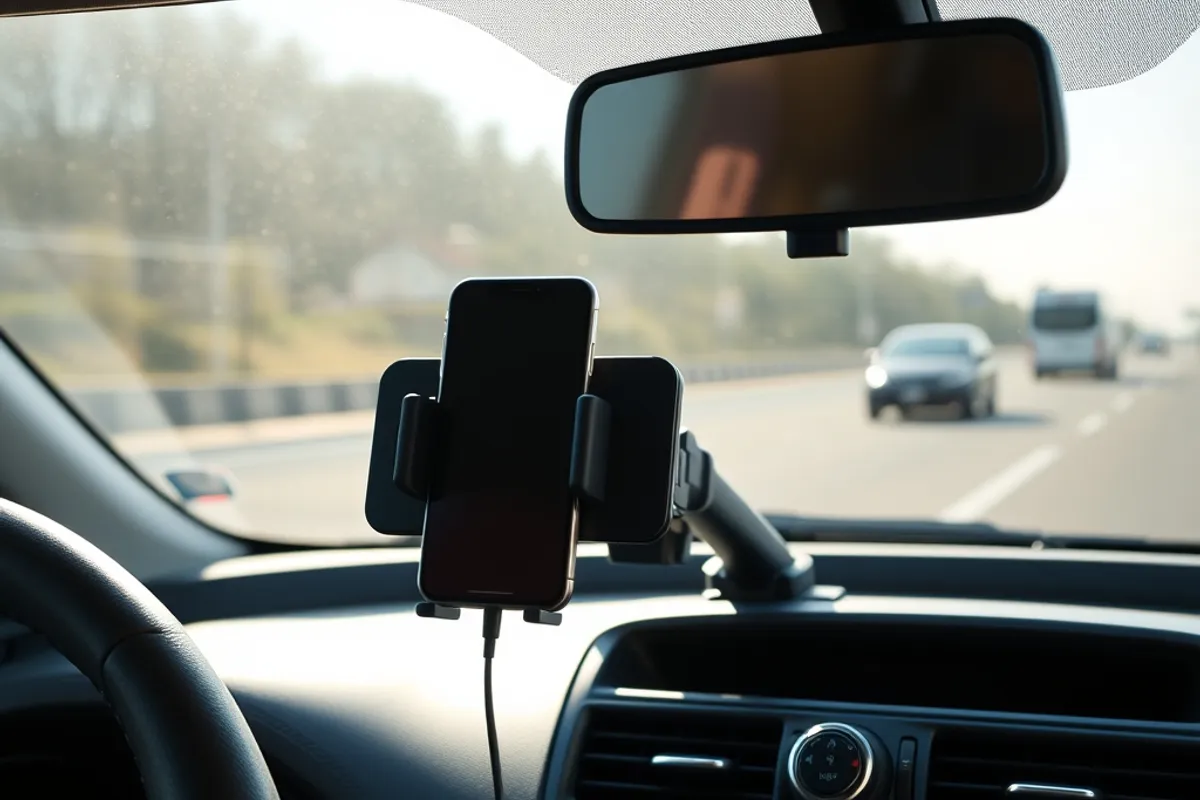
A phone mount is one of the cheapest accessories you can buy and one of the easiest to get wrong. The wrong mount wobbles, blocks a vent, drops your phone at the first pothole or leaves the screen facing the sun. We tested the main designs over several weeks of real commuting, including motorway miles, city traffic and a stretch of badly patched road, and the differences were obvious.
Key facts
- Dashboard and windscreen mounts are the most stable for heavy phones.
- Vent mounts are compact but can sag, rattle or block heating and cooling.
- Magnetic mounts suit quick placement but need a metal plate or a compatible case.
- Wireless charging mounts run hot in direct sun and charge slowly.
- Mount the phone low and close to the dash so it never blocks your view.
What makes a mount worth keeping
The first job is rigidity. A mount should hold the phone still over rough surfaces without requiring two hands to adjust. Look for a stiff arm, a locking collar rather than a friction joint, and a clamp or magnet strong enough for your phone with its case on. The second job is ergonomics: the screen should sit within a glance of the road, not down by the gear lever and not high in your eyeline. The third is heat. A phone in direct sun on a black dashboard can overheat and dim its screen, so a mount that keeps the device out of the worst glare is better than one that simply looks neat.
Installation matters too. Suction cups need a clean, smooth surface and often fail in extreme heat or cold. Adhesive pads are permanent until they are not, and cheap adhesive can leave a mark on the dash. Vent clips are convenient but fragile, and they can interfere with the vent's own adjustment. The best mount is the one you can fit once and forget.
Dashboard and windscreen mounts
These are the default choice for most drivers, and for good reason. A telescopic arm with a locking joint gives you the widest range of positions, and a large suction base spreads the load. Look for a mount with a secondary support leg or a dash anchor if you own a heavy phone. The downside is visual bulk. A big cradle on the windscreen can obstruct wipers or create a blind spot, and in some regions mounting anything on the glass is restricted by law, so check local rules before you buy.
If you prefer a cleaner look, a dash-mounted adhesive base can work well, provided the surface is flat and you clean it properly before fitting. Avoid mounting above an airbag panel or anywhere the phone could become a projectile in a crash.
Vent mounts: convenient, with caveats
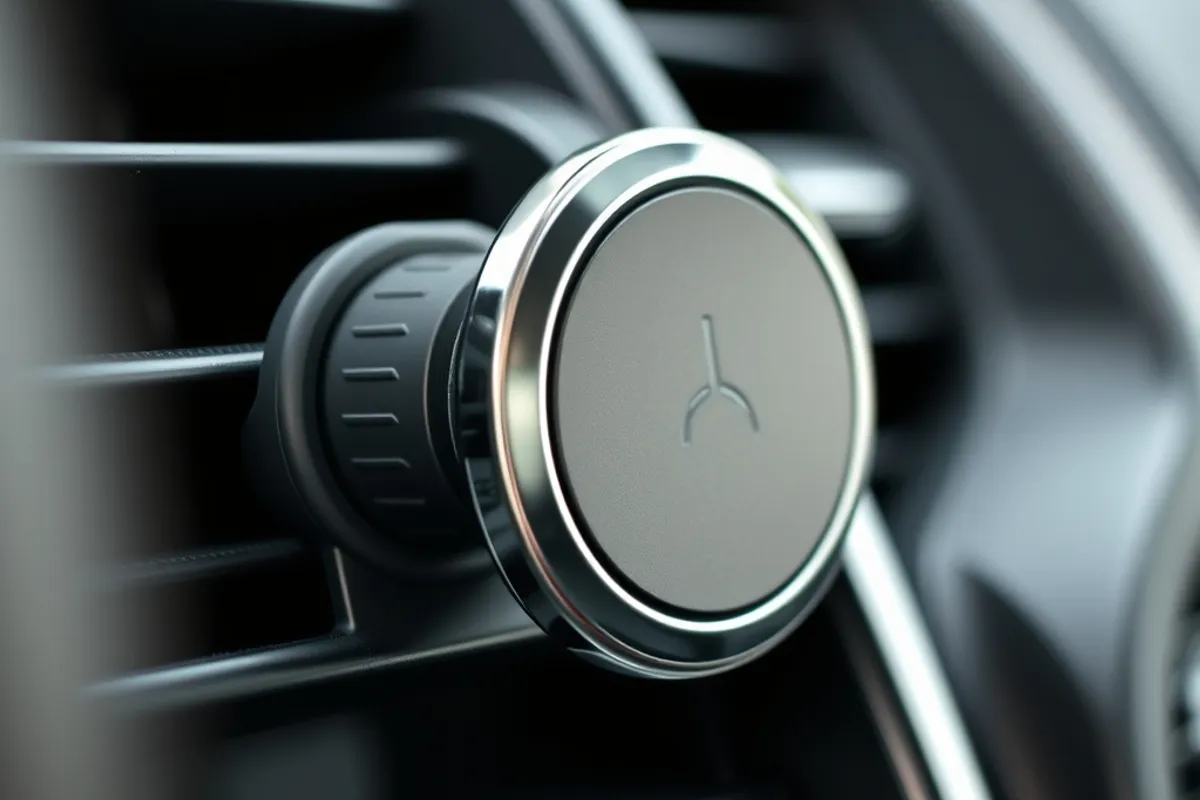
Vent mounts are compact, inexpensive and easy to move between cars. A good one grips the vent slats firmly and holds the phone close to the dash. But the vent itself is a weak anchor. Heavy phones cause sag, and the clip can bend the slats over time. In winter, a vent mount can block warm air or cook the phone; in summer, it may block the airflow you need for cooling. If your car has fragile or electrically adjusted vents, choose a different design.
The best mount is not the smallest or the cleverest. It is the one that never moves when the road does.

Magnetic and wireless options
Magnetic mounts are fast to use: place the phone and go. The strongest versions use a ring of magnets and a metal plate inside the case or stuck to the back of the phone. The trade-offs are compatibility and heat. A thick case may weaken the grip, and a plate can interfere with wireless charging. Cheap magnets lose strength when warm. If you use a heavy phone or a rugged case, a mechanical clamp is usually more secure.
Wireless charging mounts add convenience but also complexity. Charging generates heat, and heat plus sunlight plus a demanding navigation app can slow the phone or stop charging altogether. Look for active cooling vents, a certified charging coil and a clamp that does not press on the phone's buttons. A wired mount with a short cable is often faster and more reliable on a long trip.
Five-minute buying checklist
Before buying, check the weight limit and the phone sizes the mount supports. Confirm that the arm can reach a safe position without blocking your view. Decide whether you need one-hand operation, because a stubborn clamp is a distraction. Check the cable route: a mount that forces the charging cable across the steering wheel is a failure. Read reviews for heat and vibration complaints, not just star ratings. Finally, make sure the mount can be removed without damaging the dash or leaving adhesive residue.
No mount is worth a moment of lost attention. Fit it while parked, route the cable safely, and set your destination before you move. For more cabin upgrades, see our dash cam buying guide or browse all car accessories.
Frequently asked questions
What is the most secure phone mount type?
A dash or windscreen mount with a rigid arm and a locking joint is usually the most secure for heavy phones. Vent mounts are convenient but rely on a weak anchor and can sag or damage the vent slats over time.
Do magnetic mounts damage phones?
A strong magnetic mount is generally safe for modern phones, but the metal plate can interfere with wireless charging and thick cases weaken the grip. A mechanical clamp is more reliable for heavy devices.
Where should I mount my phone?
Low and close to the dashboard, within a glance of the road, without blocking your view or any airbag. Fit the mount while parked and route the charging cable away from the steering wheel and pedals.
Further reading from independent sources: NHTSA safety ratings and FuelEconomy.gov.