Dash Cam Buying Guide 2026: Sensors, Storage and Evidence
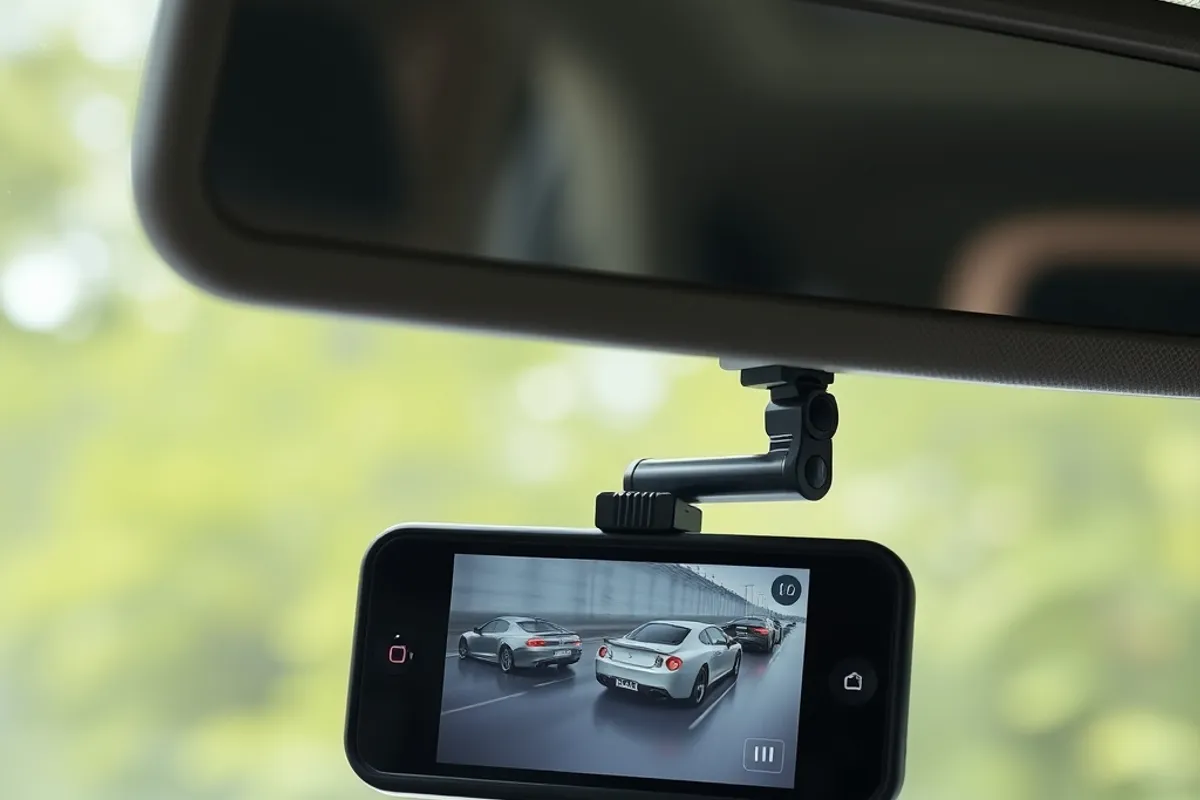
A dash cam is insurance you can replay. It will not stop a collision, but it can settle a blame argument, expose a false claim or capture a hit-and-run plate. The market is crowded with confusing specifications, and the most heavily advertised numbers are often the least important. This guide explains what the hardware actually does and how to choose a camera that still works after two summers on a hot windscreen.
Key facts
- Sensor quality and night footage matter more than a 4K label.
- Look for a capacitor-based camera rather than a battery for heat tolerance.
- Buy an endurance-rated microSD card and format it regularly.
- A rear camera adds useful evidence for tailgating and rear impacts.
- Parking mode needs a safe power supply and should not drain the battery.
Resolution is only half the story
Resolution determines how much detail the camera can capture, but a high-resolution sensor paired with poor processing produces noisy, smeared footage. At night, a large sensor and good lens matter more than pixel count. A well-tuned 2K camera can read a number plate more reliably than a cheap 4K unit. Look for sample footage in low light, not just daylight clips on a manufacturer's channel. Check how the camera handles bright headlights, deep shadows and fast motion, because those are the conditions that decide whether the footage is usable.
Frame rate matters as well. Thirty frames per second is fine for most driving; sixty frames per second helps with fast movement but increases file size. A wide field of view captures more of the road but distorts the edges, so a moderate wide angle is usually the best compromise. If the lens is too wide, number plates at the edge of the frame become unreadable.

Power, heat and reliability
A dash cam lives in one of the harshest environments in the car: direct sun, extreme heat and constant vibration. Cameras with lithium batteries age quickly and can swell in high temperatures. Capacitor-based models are more durable and are the better choice for a permanent installation. Check the operating temperature range and look for a mounting bracket that does not rely on weak adhesive alone.
Wiring is the next decision. A simple plug into the accessory socket is easy but leaves a cable across the cabin. A hardwired kit hides the cable and enables parking mode, but it must use a voltage cut-off to protect the battery. If you are not confident with vehicle electrics, pay a professional to install it. A badly routed cable can interfere with airbags or wear through insulation.
Storage and footage management
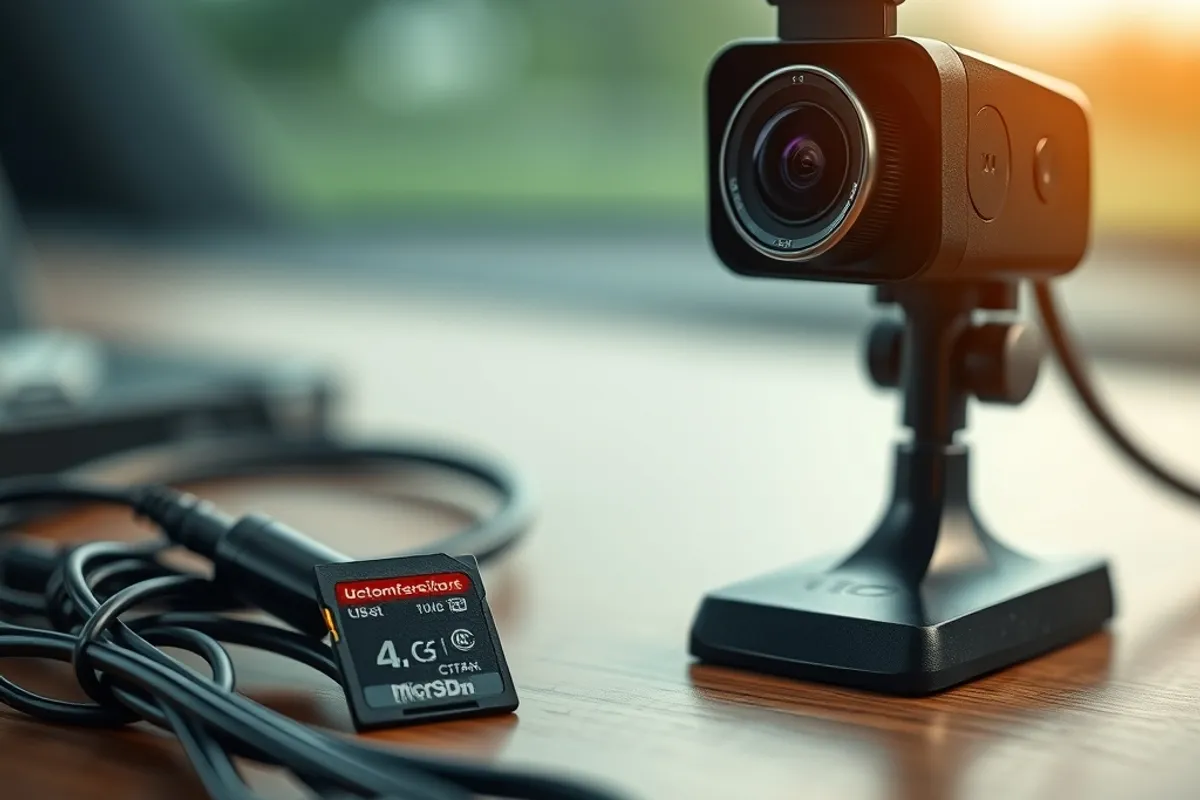
Dash cams overwrite old footage in a loop, so the memory card is part of the safety system. Use a high-endurance card designed for continuous recording, not a cheap card from a phone. Format the card in the camera every few weeks, and check that the camera is actually recording before you rely on it. Some units have a small screen for setup; others use a phone app. Either way, make sure you can find and export a clip quickly after an incident.
A dash cam you never check is just a plastic ornament. The evidence only counts if the file exists and the card still works.
Front only or front and rear?
A front camera covers the most common disputes: junctions, lane changes and sudden braking. A rear camera adds evidence for tailgating, rear impacts and parking knocks, but it doubles the installation work and storage use. If your car has a long rear window or a vertical tailgate, mounting a rear camera cleanly can be tricky. For most drivers, a strong front unit is the priority; add a rear camera if you regularly carry passengers, tow or park on busy streets.
Parking mode and privacy
Parking mode records when the car is parked, usually triggered by motion or impact. It can catch a door ding or a hit-and-run, but it needs a constant power source and a voltage cut-off to avoid a flat battery. Some cameras also offer cloud uploads, which require a data connection and raise privacy questions. Check the local rules on recording in public and in private spaces, and tell passengers if audio is being recorded. A camera that records the road is generally accepted; one that records conversations without consent may not be.
What to spend
Set a budget for the camera, the endurance card and the installation together. A mid-range capacitor camera with a good sensor and a reliable mount is a better buy than a flagship with features you will never use. Avoid unknown brands with no update history or support. Before you drive, confirm the view is clear, the cable is secure and the recording light is on. For related gear, read our phone mount guide or browse more car accessories.
Frequently asked questions
Is 4K worth the extra money?
Only if the sensor and processor are good enough to produce clean footage at night. A well-tuned 2K camera often reads plates better than a cheap 4K unit. Check low-light samples before paying for resolution alone.
How long does dash cam footage last?
Footage loops continuously and overwrites the oldest clips, so duration depends on card size and resolution. Use an endurance-rated card, format it regularly and export important clips immediately after an incident.
Can a dash cam drain my battery?
A camera plugged into the accessory socket normally stops with the ignition. Parking mode requires a hardwired kit with a voltage cut-off, installed correctly, or it can flatten the battery.
Further reading from independent sources: NHTSA safety ratings and FuelEconomy.gov.