Luxury Car Maintenance Costs: What Five Years Really Costs
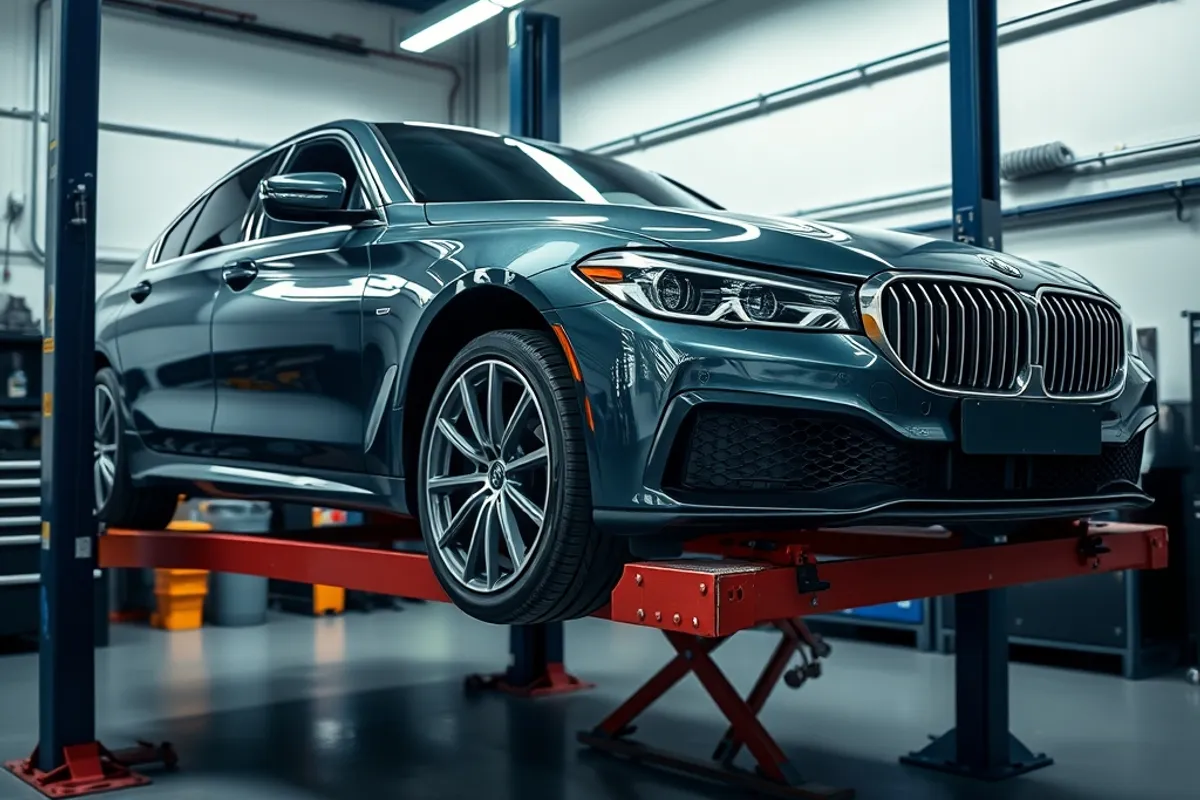
Luxury cars are often surprisingly affordable to buy used and surprisingly expensive to keep. The purchase price falls with depreciation, but the cost of parts, labour and specialist servicing does not. A five-year ownership plan built only on the monthly payment is incomplete. This guide breaks down the bills owners actually face and the decisions that keep them from becoming unmanageable.
Key facts
- Routine servicing can cost two to three times more than a mainstream car.
- Tyres and brakes are the most predictable expensive wear items.
- Air suspension, adaptive dampers and complex electronics are the big risks.
- Independent specialists often cut labour costs without lowering quality.
- A pre-purchase inspection and warranty are worth more than a low sticker price.
Routine servicing
An oil and filter service on a mainstream car may be a modest bill. On a luxury car, the same job can include expensive long-life oil, a costly filter, a cabin filter, brake fluid checks and a detailed inspection. Some models require scheduled attention to gearboxes, differentials, air suspension and hybrid systems. The intervals may be long, but the cost per visit is higher, and skipping them can turn a minor issue into a major repair.
Dealer service departments charge premium labour rates, but they are not the only option. A good independent specialist who knows the model can often do the same work for less, using quality parts. The key is documentation: keep every invoice so the next buyer can see the car was maintained properly. A stamped service book still matters at resale, especially for high-end models.
Tyres and brakes
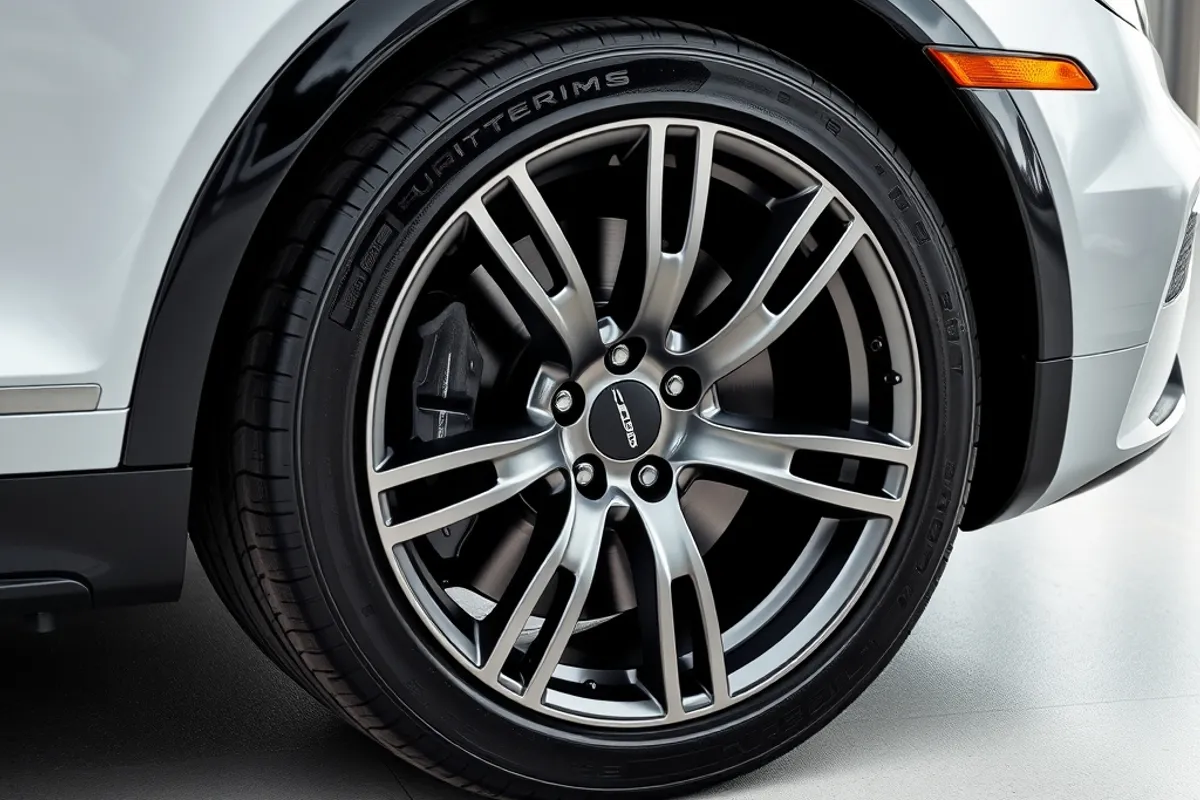
Large wheels and high-performance tyres are standard on many luxury cars, and they are expensive to replace. A set of four tyres can easily cost more than a full service on a compact car, and soft performance compounds wear faster. Low-profile tyres are also more vulnerable to pothole damage, and a cracked alloy can add significantly to the bill. Budget for tyres based on your annual mileage, not on the hope that they will last forever.
Brakes on a heavy, powerful car wear faster than owners expect. Performance discs and pads can be costly, and some models use brake-by-wire or regenerative systems that require specialist attention. Have the brakes inspected at every service and replace them before they reach the limit. Delaying brake work is a false economy and a safety risk.
The expensive systems
Air suspension is one of the defining luxury features and one of the most expensive to repair. Compressors, struts and height sensors can fail, and the bill for a full set can be thousands. Adaptive dampers are similarly costly. Complex infotainment, driver-assistance cameras and radar sensors can require calibration after a windscreen replacement or minor collision. These systems are not necessarily unreliable, but when they fail, they fail expensively.
The cheapest luxury car is rarely the one with the lowest price. It is the one with the fewest deferred repairs and the best paperwork.

Warranty, insurance and specialists
An extended warranty can be worthwhile on a complex luxury car, but read the exclusions carefully. Wear items, cosmetic damage and pre-existing faults are often excluded, and some policies require dealer servicing. Compare the cost of cover with the likely repair bills for the specific model. Insurance also tends to be higher, especially for high-performance variants and cars with expensive parts.
Building a relationship with a good independent specialist is one of the smartest ownership moves you can make. They can spot common faults before they become failures, source parts intelligently and advise on which repairs can wait. Ask local owners' clubs for recommendations and check reviews. A specialist who works on the same model every week is often better value than a general garage learning on your car.
A five-year budget
Add up servicing, tyres, brakes, insurance, fuel or charging, and a contingency fund for repairs. For a used luxury car, set aside a meaningful annual reserve rather than assuming nothing will break. Include the cost of a pre-purchase inspection and a full fluid service immediately after purchase. If the total is uncomfortable, choose a simpler model or a well-equipped mainstream car instead. Luxury is enjoyable when it is planned for; it is miserable when it arrives as a surprise invoice.
For the buying side, read our guide to luxury value, or browse more luxury car coverage.
Frequently asked questions
How much should I budget for luxury car repairs?
Set aside a meaningful annual reserve on top of routine servicing, especially for an older or complex model. Air suspension, adaptive dampers and electronics can produce four-figure bills, so a contingency fund is essential.
Can I service a luxury car outside the dealer?
Often yes. A reputable independent specialist can reduce labour costs while using quality parts. Keep every invoice and confirm the work meets the manufacturer schedule to protect resale value and any warranty.
Are extended warranties worth it?
Sometimes. Read the exclusions, check whether dealer servicing is required and compare the premium with likely repair costs for that specific model. Wear items and pre-existing faults are commonly excluded.
Further reading from independent sources: NHTSA safety ratings and FuelEconomy.gov.