Car Interior Design in 2026: Why Calmer Cabins Are Winning
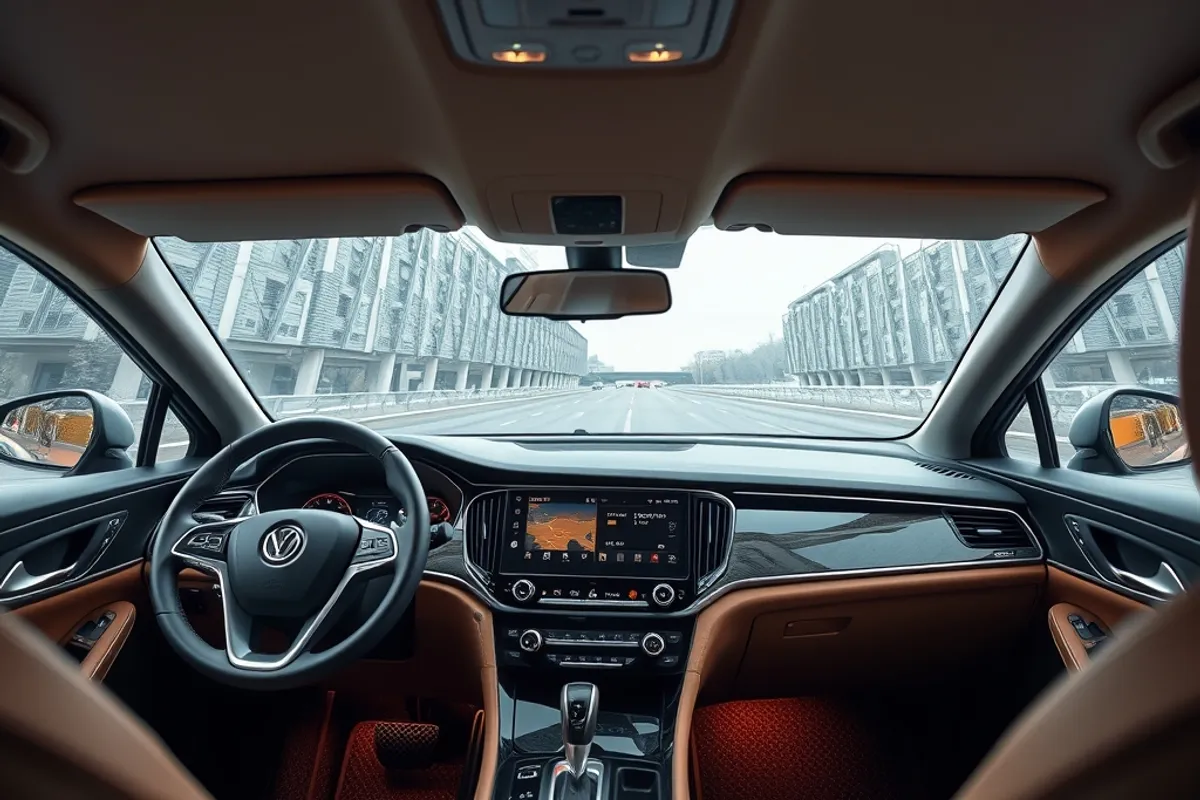
For most of the last decade, car interiors were designed to impress at a standstill. Bigger screens, more ambient colours, more menus. In 2026 the reaction has arrived: buyers want cabins that feel calm, materials that age well and controls that work without a second glance. The best new interiors are not retro, but they are noticeably quieter than the glass cockpits that preceded them.
Key facts
- Physical controls for climate and volume are returning in mid-range and premium models.
- Matte, textured surfaces replace glossy black plastic that shows every fingerprint.
- Screens stay, but more functions move to a persistent shortcut bar or hard buttons.
- Warm neutral colours and recycled fabrics are replacing all-black cabins.
- Good interior design is measured in reduced distraction, not screen size.
The end of screen maximalism
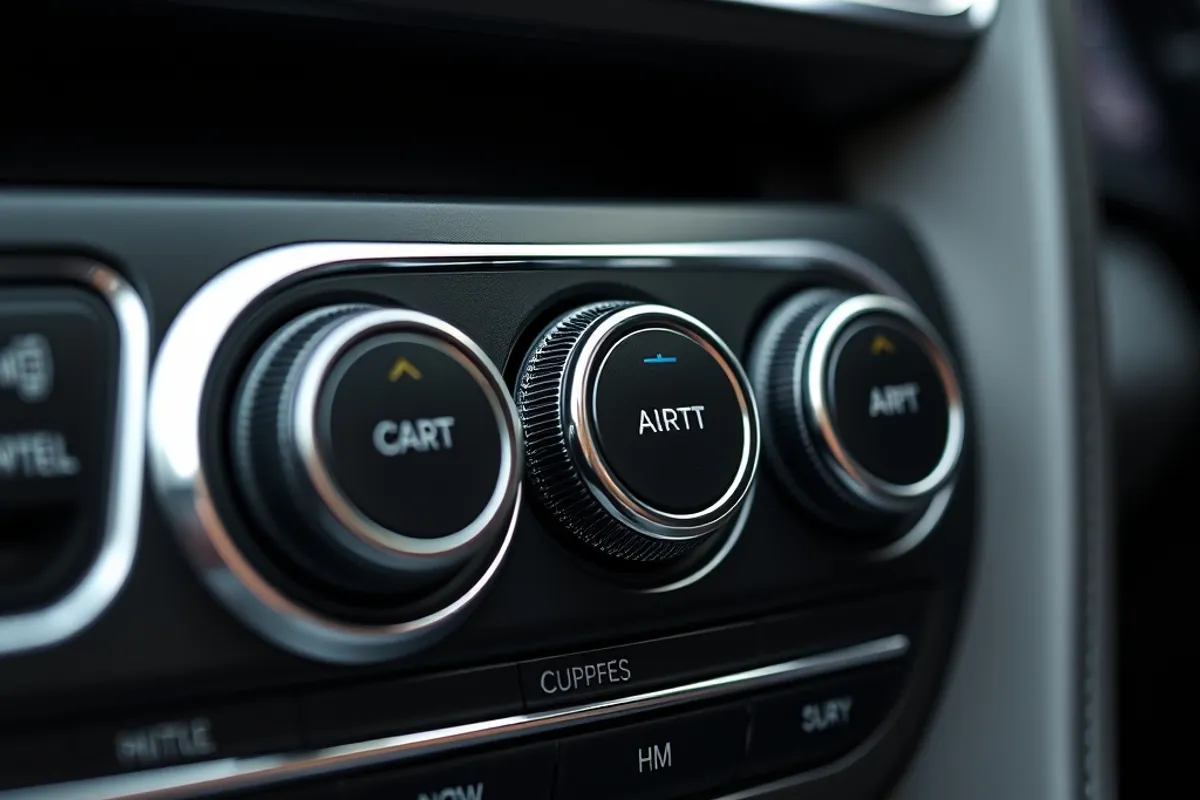
The first wave of touchscreen-heavy cabins looked futuristic in showrooms and frustrating in traffic. Simple jobs such as changing the fan speed or skipping a track required a menu dive, and the glossy surfaces that looked premium under showroom lights turned into dust and fingerprint magnets. Designers have now spent enough time with real owners to know which tasks need a dedicated control. The result is a hybrid layout: a large display for maps and media, flanked by physical knobs and a row of switches for the jobs you do while moving.
This is not nostalgia. It is ergonomics. A rotary dial can be found by feel, and a switch that stays in one place is faster than a menu that moves with every software update. Regulators have noticed too, and Euro NCAP-style rating programmes now reward cars that keep core functions away from the touchscreen.
Materials that survive real life
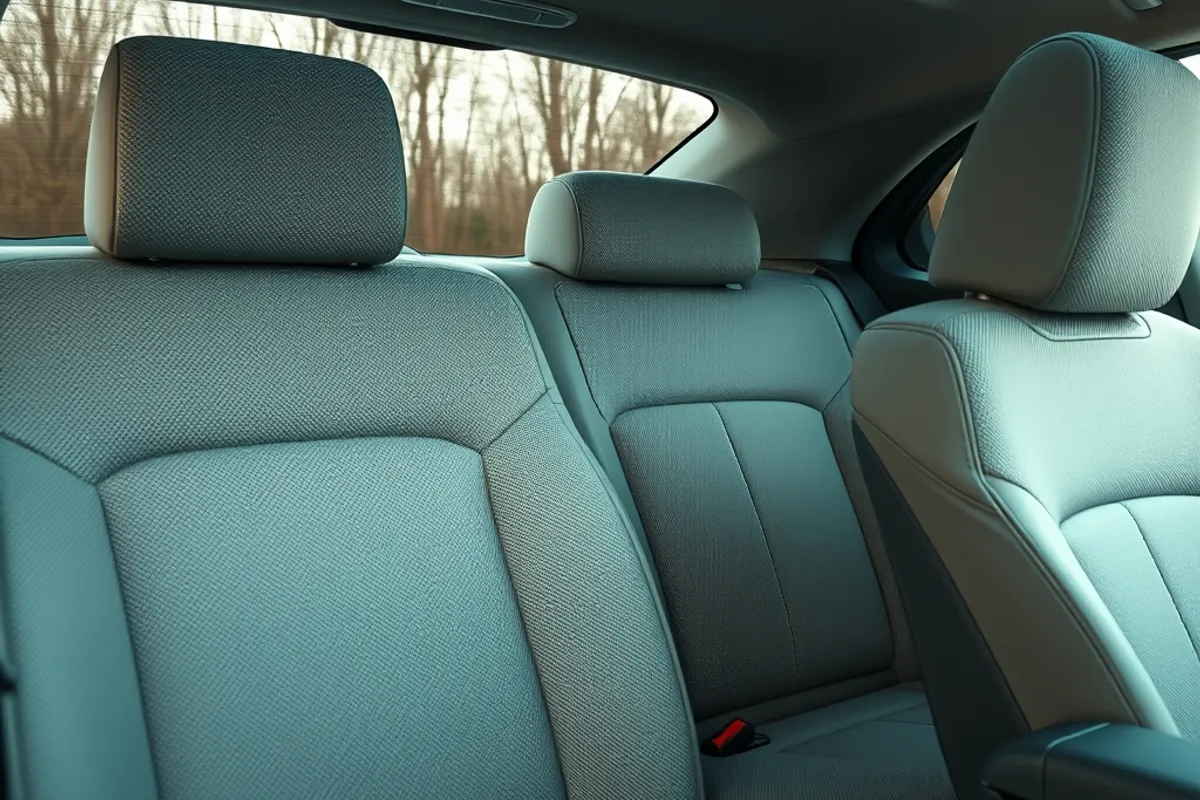
The second shift is material honesty. Piano black trim is quietly disappearing from family cars because it scratches, smudges and reflects sunlight into the driver's eyes. In its place: soft-touch recycled textiles, open-pore wood, brushed metal and matte plastics with a fine grain. These surfaces hide wear and feel better to touch. Manufacturers also talk more openly about durability, because a cabin that still looks good at 100,000 miles protects resale value.
Colour follows the same logic. Beige, warm grey, olive and deep blue interiors are replacing monolithic black. Lighter cabins feel larger and less oppressive on long trips, and modern stain-resistant fabrics make them practical for families. The trade-off is that cheap light materials can look tired quickly, so inspect a used car's seats and door cards closely before paying a premium for a fashionable colour.
Space, light and the feeling of air
Interior designers now spend as much time on perceived space as on actual dimensions. A low dashboard, slim pillars and a panoramic roof make a compact car feel roomier without adding a millimetre of exterior size. Flat floors and floating centre consoles free up storage for phones, cups and bags. Small details - a shelf that holds a phone at eye level, a bin that is easy to empty, a wireless charger that does not overheat - matter more day to day than a decorative light strip.
A good interior is not the one that photographs best. It is the one that asks the least of you at 70 mph.
Software as part of the furniture
The screen still matters, but the conversation has moved from size to speed. A laggy 15-inch display is worse than a responsive 10-inch one. Buyers should look for wireless smartphone mirroring, over-the-air updates with a clear support policy, and a home screen that keeps climate, navigation and audio one tap away. A digital instrument cluster can be excellent, provided it shows the information you need and does not bury it under customisation menus.
Designers are also reducing visual noise. Fewer fonts, fewer colours and fewer animated transitions make a system easier to read at a glance. Some brands now offer a "calm" display theme that strips the interface back to essentials. That sounds like a gimmick until you drive a car with a busy interface at night on an unlit road.

What to check before you buy
Sit in the car with the engine off and the screen on. Adjust the climate, change the radio and open the glovebox without reading a manual. Then do it again with sunglasses on and sunlight hitting the dash. Check whether the centre console has a real place for your phone and whether the cup holders interfere with the armrest. Look at the wear on the driver's seat bolster and the door sill, because those areas reveal how the materials will age.
Finally, ask whether the cabin will still feel current in five years. Screens date quickly; good switchgear and honest materials do not. The 2026 interiors that will hold up are the ones designed around the driver's attention rather than the launch-day photograph. For more on how shape and surface affect the driving experience, read our guide to car aerodynamics, or browse the rest of our automotive design coverage.
Frequently asked questions
Are physical buttons really coming back?
Yes, for core functions. Many 2026 models keep climate, volume and hazard controls as physical switches while moving less urgent settings into the screen. Buyers and safety ratings have pushed designers back toward controls that can be found by feel.
Is a larger screen always better?
No. Response speed, glare handling and a sensible menu structure matter more than size. A fast 10-inch display with a persistent shortcut bar is easier to live with than a sluggish 15-inch screen that hides basic functions.
Which interior materials age best?
Matte textured plastics, open-pore wood, woven fabrics and quality leather wear more gracefully than glossy black trim or thin synthetic coatings. Inspect the driver seat bolster and door sill on a used car, because those areas show wear first.
Further reading from independent sources: NHTSA safety ratings and FuelEconomy.gov.