Turbo vs Naturally Aspirated: Choosing the Right Engine in 2026
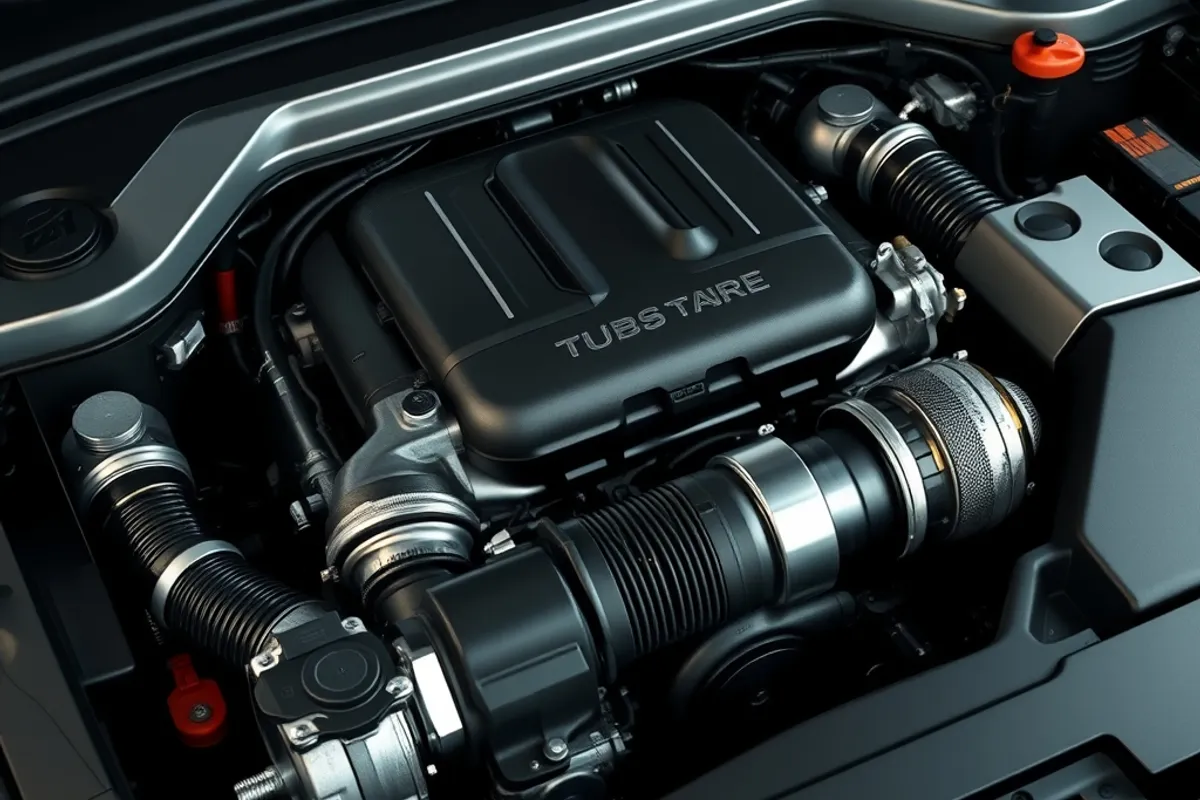
The turbo versus naturally aspirated argument used to be simple: turbos were fast and fragile, naturally aspirated engines were smooth and thirsty. In 2026 that line has blurred. Small turbo engines power family hatchbacks, naturally aspirated units survive in sports cars and trucks, and hybrid systems change the way both deliver power. The right choice depends less on badge loyalty and more on how you drive, what you tow and how long you plan to keep the car.
Key facts
- Turbos make more power from a smaller engine, often improving highway economy.
- Naturally aspirated engines deliver smoother, more predictable response.
- Turbo engines demand stricter oil changes and premium fuel in many cases.
- Turbo lag is much smaller than it was a decade ago, but not gone.
- Hybrid assistance can hide turbo lag and improve low-speed response.
How each engine makes power
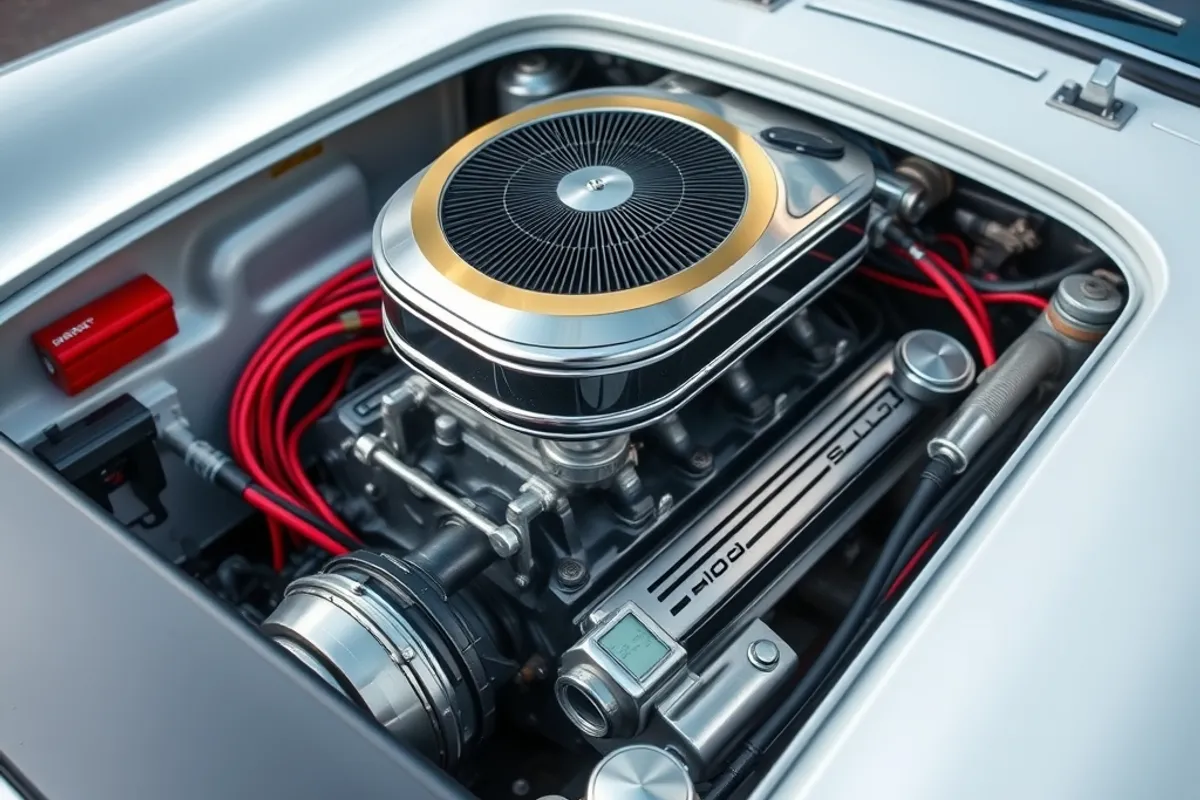
A naturally aspirated engine breathes air at atmospheric pressure. Power rises smoothly with revs, and the throttle feels linear because there is no waiting for a turbine to spin up. A turbocharged engine uses exhaust gas to drive a compressor, forcing more air into the cylinders so it can burn more fuel and make more power from a smaller displacement. That is why a 1.5-litre turbo can replace a 2.5-litre naturally aspirated engine on paper while using less fuel in gentle driving.
The trade-off is complexity. A turbo adds a turbine, compressor, wastegate, intercooler and extra plumbing. It also concentrates heat and pressure in the engine bay, which places greater demands on oil quality and cooling. Modern designs have largely solved the reliability worries of early turbo cars, but they still reward maintenance more strictly than a simple naturally aspirated unit.
Response and driving feel
Turbo lag is the delay between pressing the accelerator and feeling full boost. Twin-scroll turbos, electric wastegates and small turbine housings have reduced it dramatically, and a good modern turbo engine feels strong from low revs. Even so, a naturally aspirated engine often feels more immediate in stop-start traffic and on a twisty road, because the power arrives exactly when your right foot asks for it. Some drivers love the surge of a turbo; others find it less transparent.
Transmission choice matters here. A turbo engine paired with a quick automatic can mask lag, while a manual gearbox makes the driver manage revs more actively. If you care about smooth response, test both back to back on the same route rather than judging from a spec sheet.
Fuel economy in the real world
Turbo engines can be economical when driven gently, because a small engine working lightly uses less fuel. The advantage shrinks when you use the performance, because boost means more air and more fuel. A naturally aspirated engine of similar power may be thirstier at low load but more predictable when pushed. Official test cycles flatter turbo cars, so look at real-world owner data and independent economy tests before assuming a small turbo is automatically cheaper to run.
A turbo does not create free power. It trades complexity and heat for a smaller engine that can behave like a bigger one when asked.

Maintenance and long-term ownership
Turbo engines are less forgiving of neglect. They need the correct oil, changed on time, and they benefit from a cool-down period after hard driving so the turbo is not starved of oil when the engine stops. Carbon build-up on direct-injection engines is a known issue, and some designs require periodic cleaning. Cooling systems and charge pipes add more points of failure. A naturally aspirated engine is simpler, but it is not maintenance-free: belts, filters and cooling still matter.
If you keep a car beyond its warranty, the naturally aspirated option often has the lower risk profile. If you lease or replace cars every few years, the turbo's efficiency and performance advantages may outweigh the long-term concerns. Either way, a full service history is more valuable than the engine layout on the badge.
Towing, altitude and heat
Turbo engines handle altitude well because the compressor can compensate for thin air, which is why they are popular in mountainous regions. They also make torque low in the rev range, which suits towing. But heat is the enemy: sustained heavy load, high ambient temperatures and a small engine working hard can stress the cooling system. Naturally aspirated engines are simpler in these conditions but may feel weak at altitude or when fully loaded.
Which should you choose?
Choose a turbo if you want strong mid-range torque, good highway economy and a smaller engine package, and you are willing to follow the service schedule closely. Choose naturally aspirated if you value immediate response, mechanical simplicity and a lower long-term risk profile. Drive both, check the maintenance requirements and insurance costs, and ignore the marketing language. For more on extracting safe performance, read our engine tuning guide, or browse all engine performance articles.
Frequently asked questions
Are modern turbo engines reliable?
Generally yes, when maintained properly. They demand the correct oil, timely changes and attention to cooling. Neglect is punished more severely than on a simple naturally aspirated engine, especially with direct injection.
Which is better for towing?
A turbo engine usually wins because it produces strong torque low in the rev range and copes better at altitude. Sustained heavy loads still require a healthy cooling system and the right fuel.
Does a turbo always save fuel?
No. It can be economical when driven gently because the engine is small, but fuel use rises quickly under boost. Real-world economy depends on driving style, gearing and how often you use the performance.
Further reading from independent sources: NHTSA safety ratings and FuelEconomy.gov.