Car Aerodynamics Explained: How Shape Changes Range and Noise
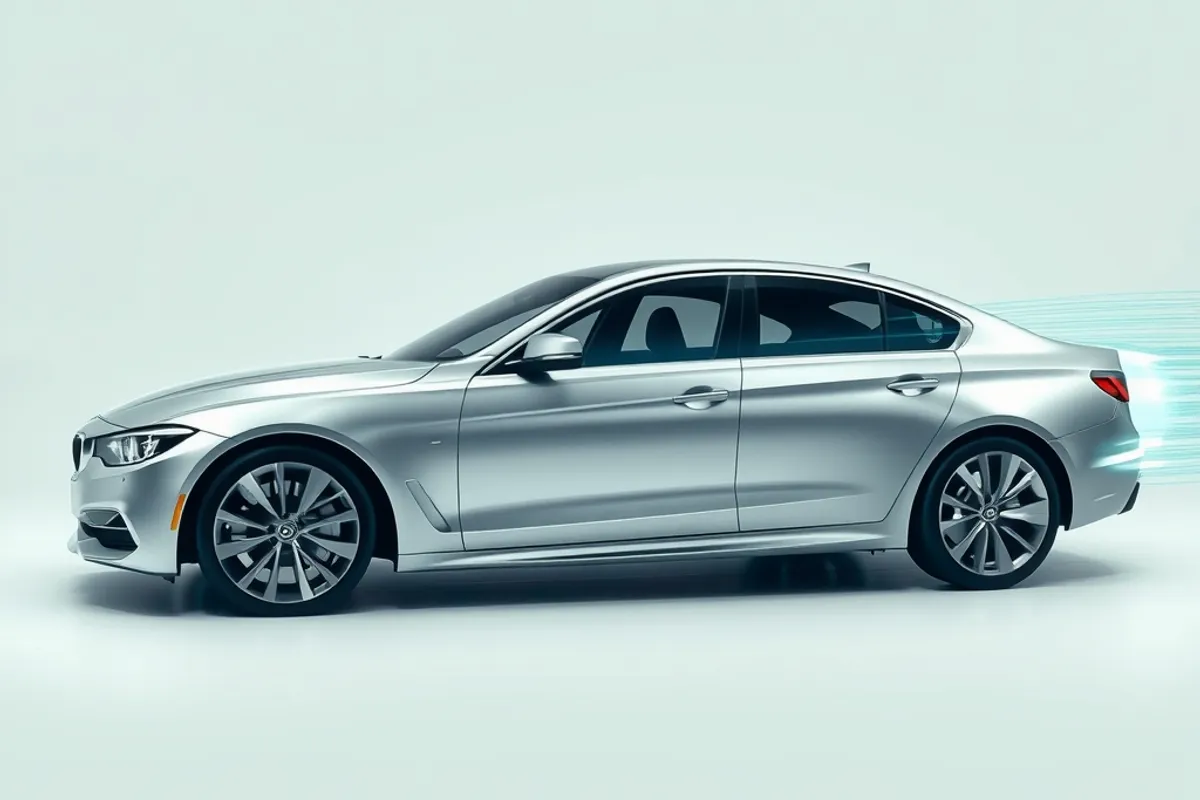
Aerodynamics is the part of car design you cannot see working, which is why it is so often misunderstood. Shape affects how much fuel or electricity a car uses, how much wind noise reaches the cabin, how stable it feels in a crosswind and how quickly it clears rain from the windscreen. You do not need a wind tunnel to benefit from the basics. You only need to know which design choices matter and which are decoration.
Key facts
- At highway speed, most engine or battery power goes into pushing air out of the way.
- A lower drag coefficient can add real range to an EV and real miles per gallon to a petrol car.
- Flush door handles, covered wheels and smooth underbodies reduce drag measurably.
- Rear-end shape controls wake turbulence, which drives both drag and dirt build-up.
- Downforce helps on a track but usually hurts efficiency on the road.
Drag: the invisible tax on every journey
Drag is the force that resists a car moving through air. It rises with the square of speed, which is why a car that feels efficient at 40 mph can become thirsty at 80 mph. Engineers describe it with a drag coefficient, or Cd, multiplied by frontal area. A sleek sedan may record around 0.25 to 0.30, while a boxy SUV can sit above 0.35. The difference sounds small, but over a year of highway driving it is worth hundreds of pounds or dollars in fuel, and several miles of real EV range.
Frontal area matters as much as the coefficient. A tall, wide vehicle pushes a bigger hole in the air no matter how smoothly shaped it is. That is why a small hatchback often beats a large SUV on efficiency even when the SUV has a better Cd. When comparing cars, look at both numbers if they are published, and treat a low coefficient on a huge vehicle with suspicion.
The details that do the work
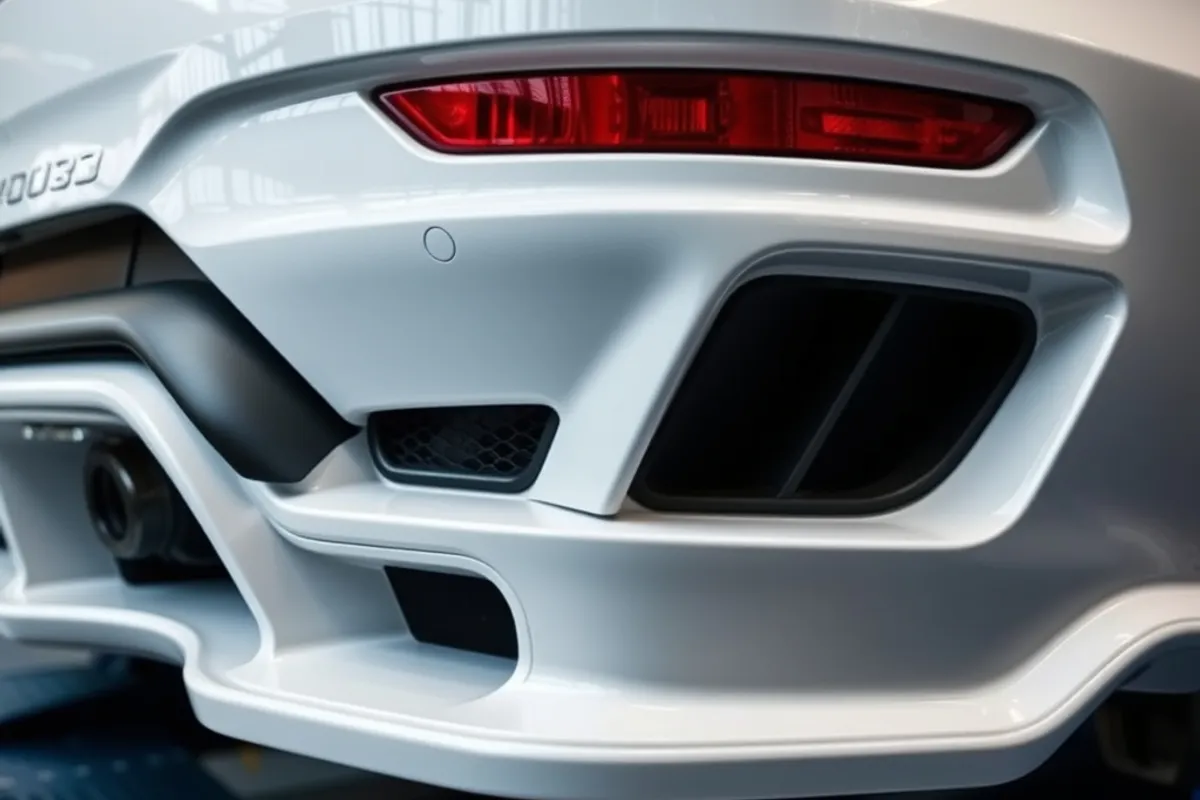
Modern aerodynamics is a game of small gains. Flush or recessed door handles, sealed panel gaps, smooth wheel designs and a flat underbody all reduce turbulence. Active grille shutters close off the radiator when cooling demand is low, cutting drag on the highway. Air curtains channel flow around the front wheels instead of letting it tumble into the wheel wells. Rear diffusers and subtle spoilers shape the wake so the car does not drag a low-pressure pocket behind it.
Some of these features are functional; others are styling. A large rear wing on a road car may add drag without useful downforce at legal speeds. Fake vents and aggressive bumper intakes can look fast while doing nothing for airflow. The honest test is whether the manufacturer publishes a drag coefficient and whether the aero features appear across the range, not just on the sporty trim.
Why the rear end matters so much
Air does not simply leave a car at the back; it separates and forms a turbulent wake. The shape of the roofline, rear glass and boot lid determines how cleanly that separation happens. A smooth fastback is usually better than a notchback with a sharp edge, and a squared-off SUV rear creates a large low-pressure zone that pulls the car backwards. This is also why hatchbacks and SUVs collect road grime on the rear glass: the wake curls dirt onto the back of the car.
Aerodynamics is not about looking slippery. It is about managing where the air goes after it leaves the body.
Noise, stability and rain
Wind noise is the audible cost of poor airflow. A-pillar shape, mirror mounts, roof rails and window seals all create turbulence that reaches your ears. A quiet cabin at 70 mph is often the result of dozens of small sealing and shaping decisions rather than extra sound deadening. Crosswind stability is the safety side of the same coin: a car with a well-managed wake and balanced downforce feels planted in gusty conditions, while a light, slab-sided vehicle can feel nervous.
Windscreen wipers and drainage are aerodynamics too. Airflow over the glass helps clear rain, and a shape that directs water away from the side windows improves visibility. In an EV, where every mile of range counts, these details are worth more than a larger battery pack in some cases.
What buyers can actually use
You cannot change a car's basic shape, but you can preserve its aerodynamic performance. Keep tyre pressures correct, because soft tyres increase rolling resistance and disturb airflow around the wheel. Remove roof racks and bike carriers when they are not in use; an empty rack can cost more fuel than air conditioning. Avoid fitting wide, blocky accessories that protrude into the airstream. And when comparing models, prioritise published efficiency figures over aggressive styling packages.
For the interior side of design, see our 2026 cabin trends, or explore more automotive design guides. Official efficiency data is available from the US Department of Energy.
Frequently asked questions
Does a rear spoiler improve fuel economy?
Usually not on a road car. A spoiler adds downforce or reduces lift at speed, but it can also increase drag. Functional aero packages are tuned as a system; an aftermarket wing fitted for looks often makes efficiency worse.
Why is my car dirtier at the back?
The wake behind a moving car creates a low-pressure zone that pulls road spray and dust onto the rear glass and bumper. Hatchbacks and SUVs are especially prone because their squared-off rear creates a larger wake.
Do roof racks really cost fuel?
Yes, especially empty ones. A roof rack or bike carrier disturbs airflow and can add noticeable drag at highway speed. Remove accessories when they are not in use to protect fuel economy and EV range.
Further reading from independent sources: NHTSA safety ratings and FuelEconomy.gov.