Best Off-Road SUVs and Trucks 2026: Capability Over Styling
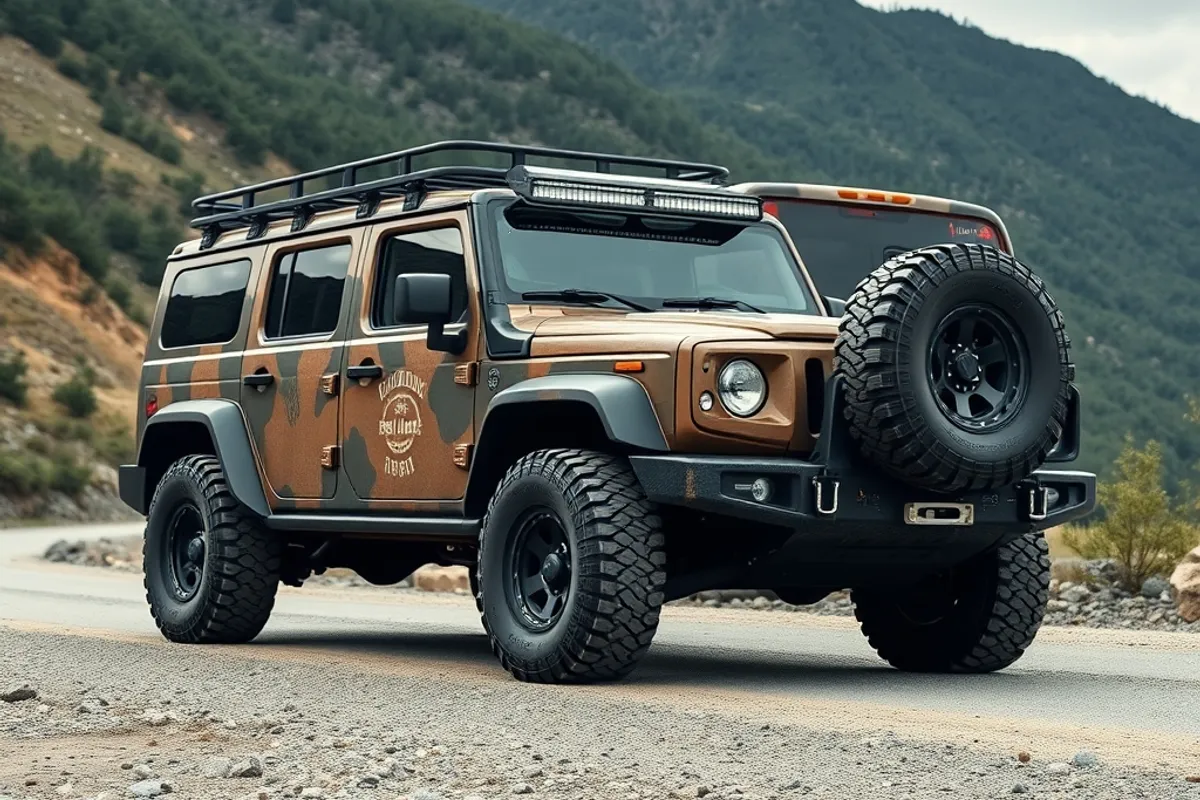
The off-road market is full of vehicles that look capable and are not. Skid plates, tow hooks and knobby tyres can be styling choices as easily as functional ones. In 2026 the genuinely capable SUVs and trucks are distinguished by a handful of engineering details: clearance, articulation, gearing, traction control and recovery points that can take a real load. Buyers who plan to leave the tarmac should judge those details, not the size of the wheel arches.
Key facts
- Ground clearance and approach, breakover and departure angles define what a vehicle can cross.
- Proper all-terrain tyres matter more than a small lift kit.
- Low-range gearing and locking differentials transform difficult terrain.
- Rated recovery points are essential; cosmetic tow hooks are not enough.
- Payload and roof load limits matter as much as off-road hardware.
The numbers that matter
Start with geometry. Ground clearance tells you what you can drive over without scraping. Approach and departure angles describe how steep a slope you can enter and leave, while the breakover angle governs whether the belly drags on a crest. These figures are published for most serious off-roaders and are far more useful than a marketing photograph. A vehicle with modest clearance but excellent angles and a short wheelbase can outperform a larger, taller rival on tight trails.
Wheel travel, or articulation, keeps tyres in contact with uneven ground. A stiff suspension with a big lift may look impressive but leave a wheel spinning in the air. Locking differentials and well-calibrated traction control compensate for limited articulation, but they cannot beat a genuinely well-sorted suspension. If you plan to modify, invest in quality dampers and springs rather than a cosmetic lift.
Tyres, gearing and drivetrain
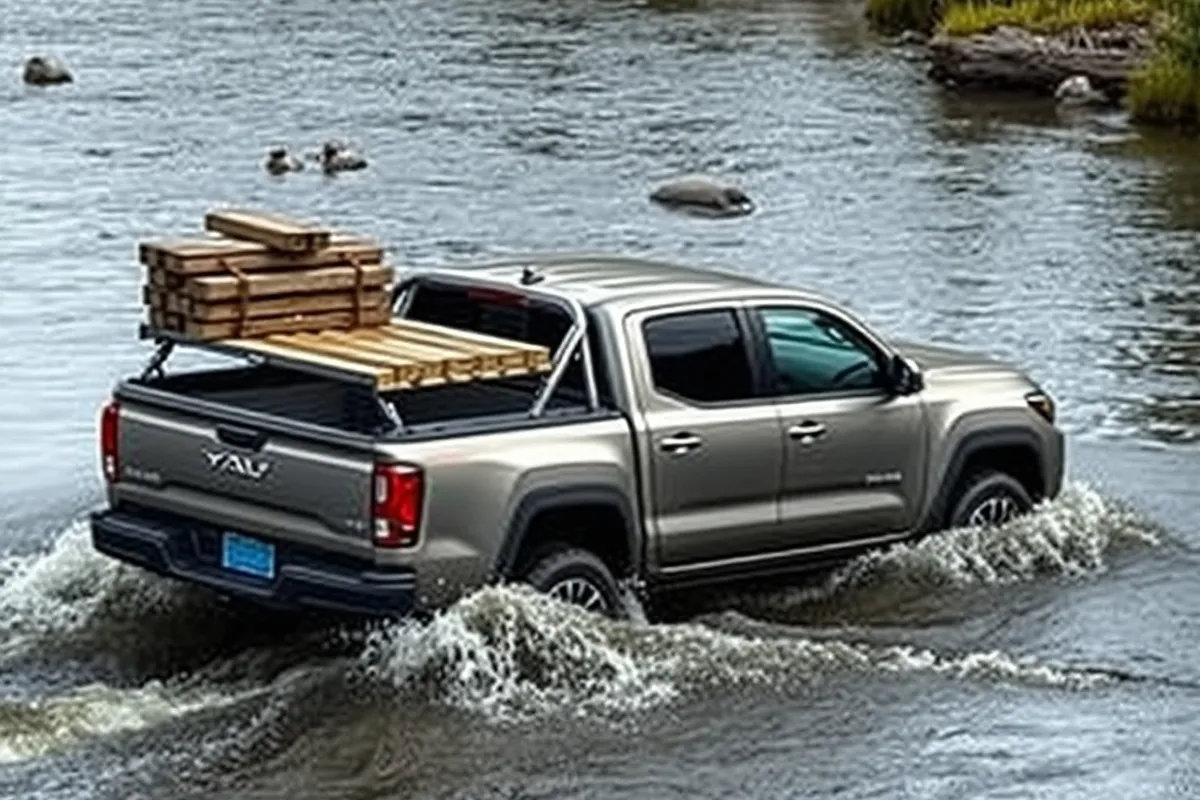
The standard tyres on many SUVs are road-biased and easily damaged off-road. Budget for a proper all-terrain set with a reinforced sidewall if you will drive on rocks or gravel regularly. Low-range gearing is a major advantage on steep terrain and when towing, and a two-speed transfer case is a clearer sign of off-road intent than a badge. Check whether the vehicle has a locking rear differential, a limited-slip differential or brake-based traction control, and understand how each behaves in sand, mud and rock.
Ground clearance is only useful if the underbody is protected. Real skid plates, not plastic covers, protect the engine, transmission and fuel tank. Recovery points should be rated and accessible, ideally at both ends. A vehicle with a hitch-mounted recovery point is not the same as one with proper chassis-mounted hooks.
Daily driving still counts
Most off-road vehicles spend most of their lives on the road. A stiff, noisy machine that is brilliant on a trail can be miserable on a commute. Look for reasonable ride quality, supportive seats, decent fuel economy and a cabin that can be cleaned easily. Road noise from aggressive tyres is a real ownership cost. If you drive long distances to reach trails, comfort and highway stability matter as much as articulation.
Buy for the terrain you actually drive, not the terrain in the advertisement. The best off-roader is the one you are happy to live with all week.
Payload, towing and accessories
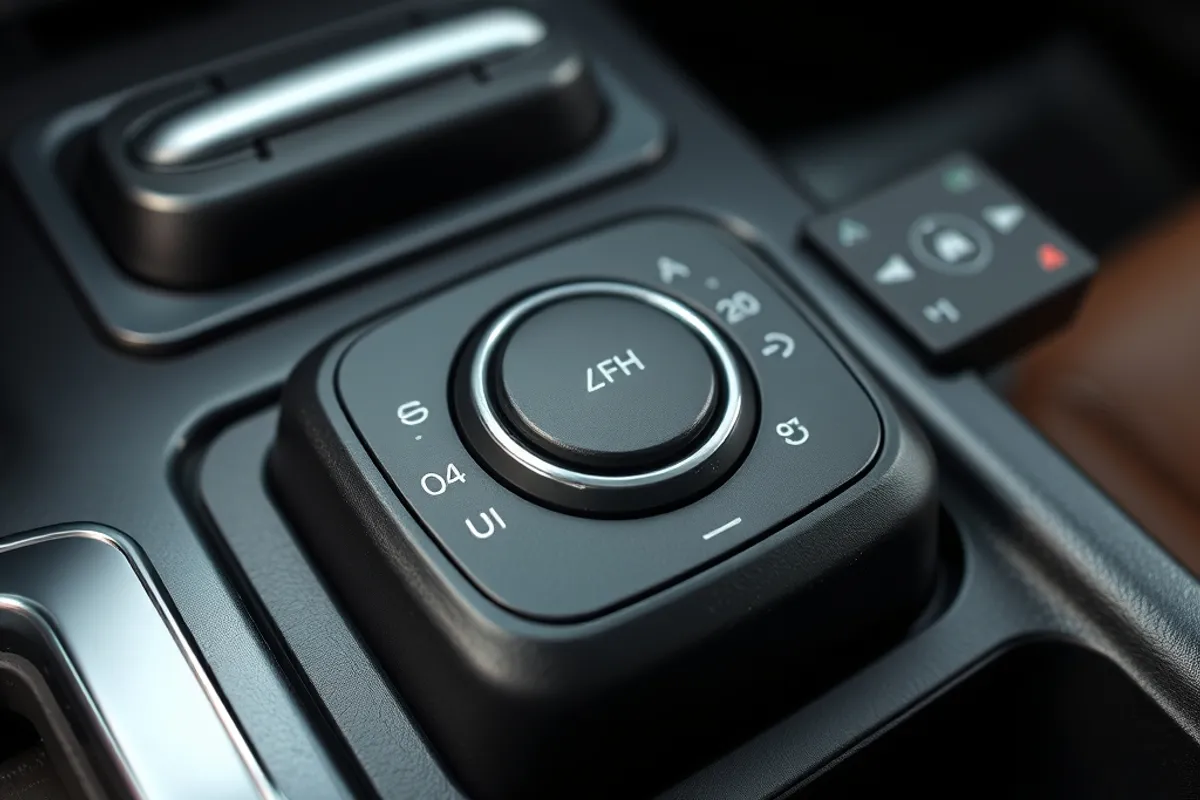
Off-road trips load vehicles heavily. Check the payload rating, roof load limit and tow rating before adding a rooftop tent, drawers, a fridge or a winch. Accessories eat into payload quickly, and an overloaded vehicle handles poorly and can exceed legal limits. A rooftop tent may be convenient, but its weight sits high and changes the centre of gravity. Distribute heavy items low and forward, and secure everything so it cannot become a projectile on a rough section.
How to choose
Decide what you actually need: a graded dirt road, forest tracks, sand, rock or serious expedition travel. A crossover with all-terrain tyres and a careful driver can handle more than owners expect, while a dedicated off-roader is wasted if it never leaves town. Test drive on a rough surface if possible, check the aftermarket support and parts availability, and confirm the service network understands the vehicle. Warranties can be affected by modifications, so read the fine print before lifting or tuning.
Finally, budget for training and recovery gear. A capable vehicle in inexperienced hands is still a liability. For driving technique, read our off-road basics, or browse all off-roading guides.
Frequently asked questions
Do I need a lifted suspension for off-roading?
Not necessarily. Tyres, clearance, gearing and driver skill matter more than a lift. A poorly chosen lift can harm handling and articulation, while good all-terrain tyres can transform a standard vehicle.
Are crossovers capable off-road?
Many crossovers handle graded dirt roads and light trails with careful driving and appropriate tyres. They lack the clearance, low-range gearing and recovery points for serious rock or mud work, so match the vehicle to the terrain.
What should I check before buying a used off-roader?
Inspect the underbody for damage, check for rust and leaks, test the four-wheel-drive system and differential locks, and look at tyre wear and suspension condition. A hard-used vehicle may need expensive repairs.
Further reading from independent sources: NHTSA safety ratings and FuelEconomy.gov.