Safe Engine Tuning: How to Add Power Without Shortening Engine Life

Tuning is one of the oldest hobbies in motoring and one of the easiest ways to turn a reliable car into an expensive lesson. A modern engine is a system: fuel, air, ignition, cooling and lubrication are calibrated together. Changing one part without understanding the others can add power on a dyno run and remove years from the engine's life. The good news is that safe gains are possible, provided you treat the whole system and accept that every increase in output has a cost somewhere.
Key facts
- A reputable ECU remap is the biggest gain per pound on many turbo engines.
- More power means more heat; cooling and oil quality become critical.
- Cheap "chip" boxes that trick sensors are not proper tuning.
- Intake and exhaust changes often add sound and response rather than big power.
- Check warranty, insurance and emissions rules before modifying anything.
Start with the engine you have
Before buying parts, make sure the basics are healthy. A compression or leak-down test, fresh oil, clean filters and a functioning cooling system are the foundation. Tuning a worn engine amplifies its weaknesses. Ask a specialist to log the car on a dyno or a road pull so you know the starting point: boost pressure, air-fuel ratio, ignition timing and intake temperature. Without that baseline, you cannot tell whether a modification helped or simply moved the problem.
On a turbocharged car, a custom remap can raise boost and adjust fuelling and timing within safe limits. The key word is custom. A generic file flashed into a car with unknown hardware is a gamble. A good tuner will check the datalogs, listen for knock and adjust for the fuel you actually use. On a naturally aspirated engine, gains are smaller and usually come from intake, exhaust and cam timing changes, so expect modest returns for the money.

Heat is the real limit
More power means more heat, and heat is what breaks engines. Intake air temperature rises with boost, so an upgraded intercooler can be more valuable than a more aggressive map. Oil temperature and coolant temperature should be monitored, not guessed. On a track car, an oil cooler and a larger radiator may be necessary. On a daily driver, a tune that only works for one hard pull before heat soak is not a safe tune.
Fuel quality matters too. Higher boost and advanced timing increase the risk of detonation, which can destroy pistons and bearings in seconds. Use the fuel the tune was written for, and never assume a lower grade is acceptable because the car "feels fine". Knock sensors are a safety net, not a licence to ignore the fuel requirement.
Supporting modifications that make sense
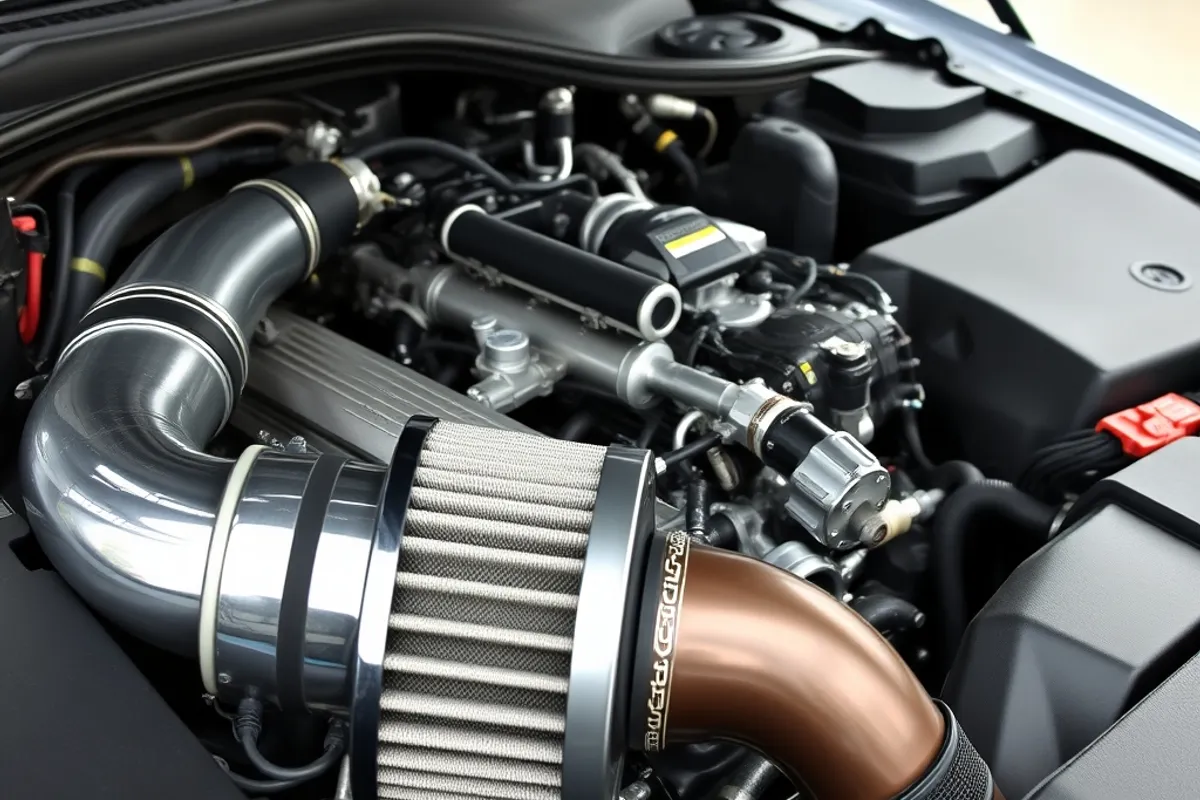
An upgraded intake can improve response and sound, but it may also draw in hot air from the engine bay if poorly designed. A closed airbox with a cold feed is usually better than an open cone filter for a daily driver. A performance exhaust can reduce backpressure and improve sound, but loud systems may fail noise regulations and drone on the motorway. Brakes, tyres and suspension should be upgraded before power if you plan to use it, because stopping and cornering are part of the package.
Power is easy to add and hard to control. The parts that keep it reliable are cooling, fuel and restraint.
What to avoid
Be sceptical of plug-in boxes that intercept sensor signals and promise large gains for little money. They can distort fuelling and cause damage that is hard to diagnose. Avoid "ghost" tuning files from unknown sources, and do not disable safety protections such as overboost or knock control. Never remove emissions equipment; it is illegal in many places, harms air quality and can fail inspection. If a seller cannot explain what the tune changes and how it is validated, walk away.
Warranty, insurance and resale
Modifications can void parts of your warranty, and an undeclared tune may invalidate insurance. Tell your insurer and get written confirmation of cover. Keep receipts and a record of the original software so the car can be returned to stock if needed. At resale, a documented, conservative build is easier to sell than a mystery project. Some buyers will pay a premium for a well-sorted car; most will run from one with a questionable history.
A realistic plan
Set a target that matches the car's weakest system, not its strongest. Service it first, log it second, then choose one or two modifications with proven support. Budget for cooling, tyres and brakes before chasing a headline number. Have the car checked on a dyno after the work and monitor it for the first few hundred miles. For more on engine choice, read our turbo versus naturally aspirated guide, or explore all engine performance articles.
Frequently asked questions
Is an ECU remap safe on a standard car?
A reputable, custom remap within sensible limits can be safe on a healthy engine. The risks rise with aggressive boost, poor fuel, inadequate cooling and unknown hardware. Always use a tuner who logs the car and explains the changes.
Do intake and exhaust upgrades add much power?
Often less than owners expect. They can improve response and sound, but the biggest gains usually come from a proper remap. Cheap open filters can even reduce performance by drawing in hot engine-bay air.
Will tuning void my warranty?
It can. Many warranties exclude damage related to modifications, and an undeclared tune may also affect insurance. Tell your insurer, keep receipts and retain the original software so the car can be returned to stock.
Further reading from independent sources: NHTSA safety ratings and FuelEconomy.gov.