Off-Road Driving Basics: Tyres, Gearing and Safe Recovery
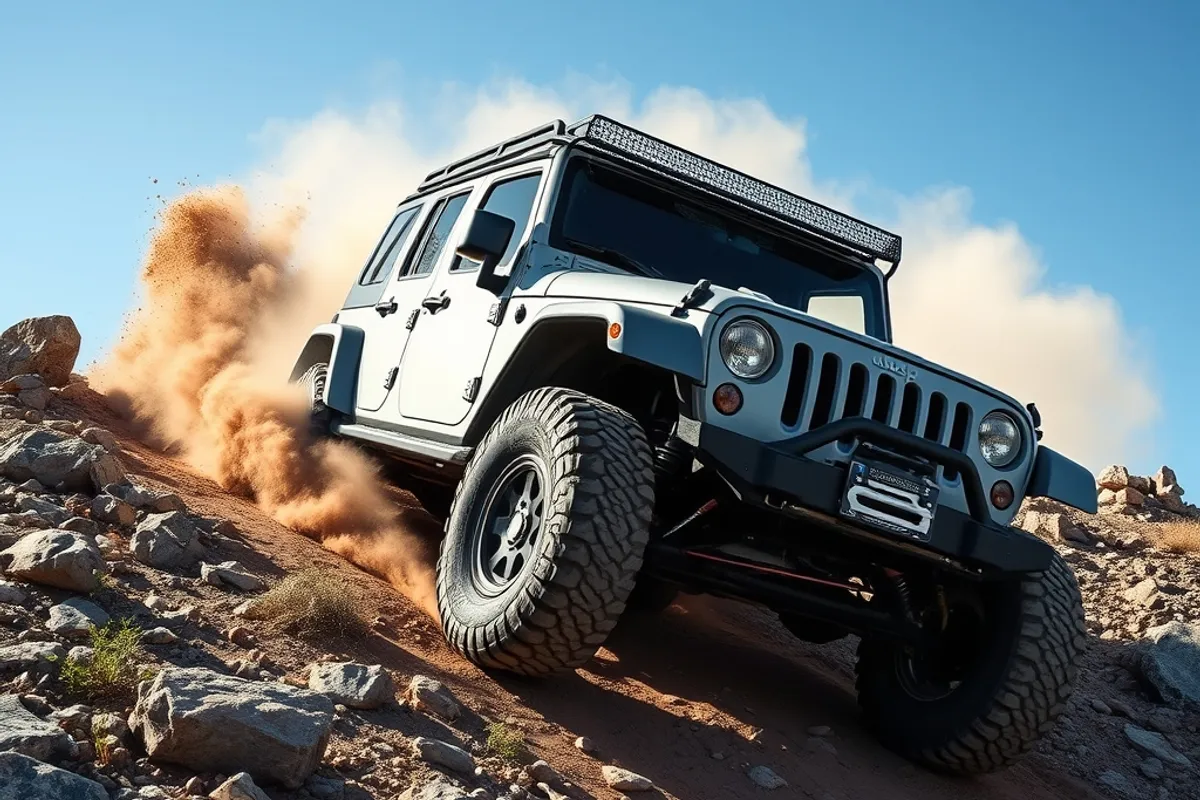
Off-roading looks like a test of horsepower and ends up being a test of judgement. Most stuck vehicles are not defeated by a lack of power; they are defeated by the wrong tyre pressure, too much speed, a bad line or a driver who kept going when the ground said stop. The basics are not complicated, and learning them makes the difference between a good day out and an expensive recovery.
Key facts
- Tyres are the most important off-road upgrade, more than power or lift.
- Lower tyre pressure increases traction but reduces ground clearance and speed safety.
- Low-range gearing gives control and torque at walking pace.
- Walk or spot difficult sections before driving them.
- Never use a tow ball or a loose strap as a recovery point.
Tyres and pressure
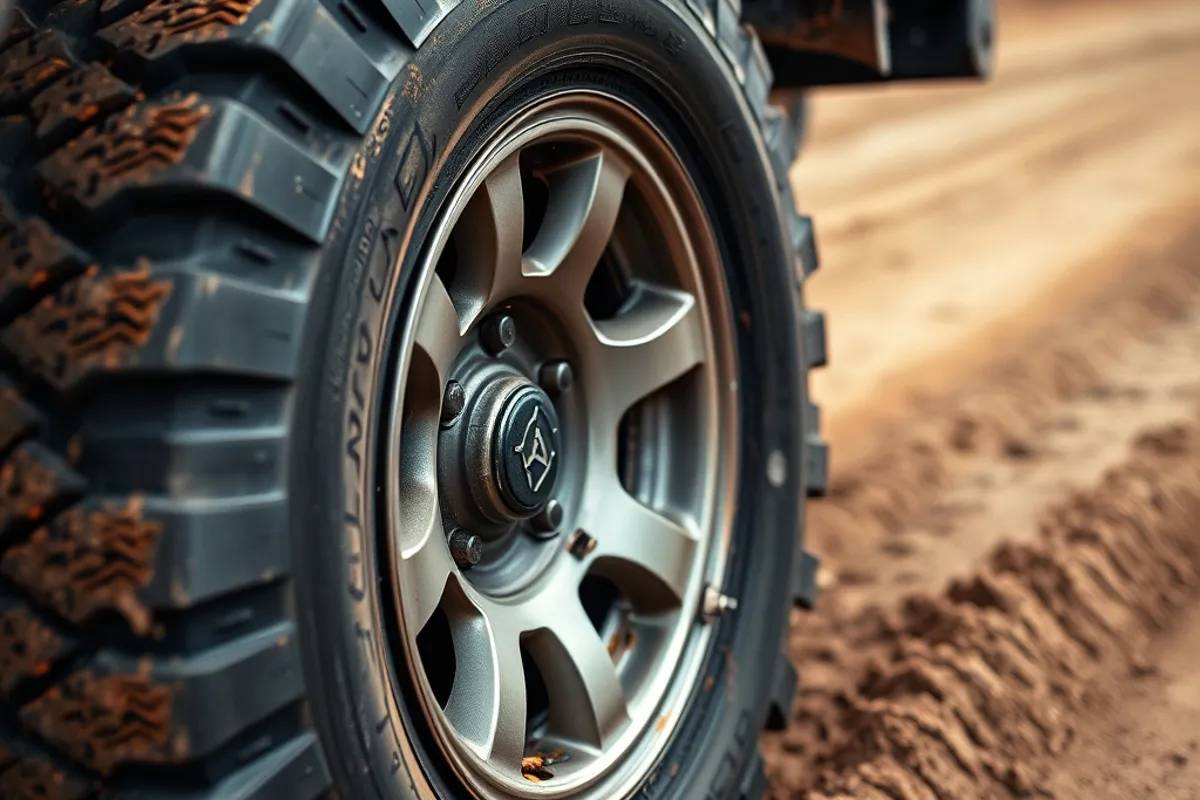
All-terrain or mud-terrain tyres with a strong sidewall and open tread are the foundation of off-road capability. Road tyres can handle a graded dirt road, but they struggle in mud, sand and sharp rocks. More important than the tread pattern is the pressure. Lowering pressure lengthens the contact patch, helps the tyre conform to rocks and spreads load on soft ground. On sand and loose rock, a significant drop can transform traction. On the road, however, low pressure increases heat and wear, so reinflate before driving at speed.
Carry a reliable pressure gauge and a compressor. Learn the correct pressure for your vehicle and load, and adjust for the terrain rather than following a single number. Inspect sidewalls after rough sections, because a cut or bulge can fail later at speed. A full-size spare is worth more than a repair kit on a remote trail.
Gearing and throttle control
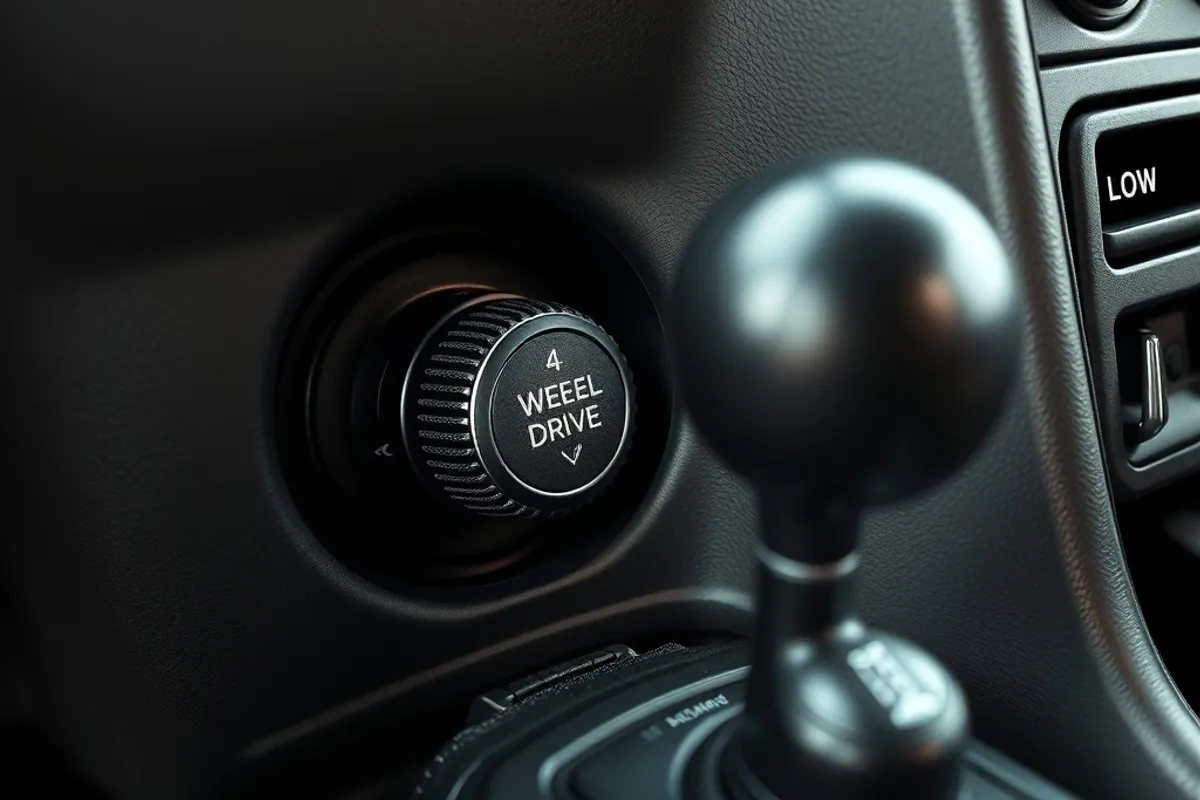
Low-range gearing is not just for rock crawling. It gives you a slower, more controllable crawl ratio for steep descents, technical sections and towing. Use the lowest gear that maintains momentum without spinning the wheels. Smooth inputs matter more than raw power: a gentle, steady throttle lets the tyres find grip, while a stab of power breaks traction and digs you in. On descents, use engine braking and a low gear rather than riding the brakes, which can overheat and fade.
If your vehicle has selectable terrain modes, understand what they change before relying on them. They can alter throttle response, traction control and gearbox behaviour, but they cannot create grip where there is none. Driver skill remains the deciding factor.
Choosing a line and keeping momentum
Get out and look before a difficult obstacle. Pick a line that keeps the tyres on high ground and avoids deep ruts. Walk the section if visibility is poor, and use a spotter for steep drops or tight turns. Momentum is useful for mud and sand, but it is dangerous on rocks and side slopes. The goal is to keep the vehicle moving smoothly without bouncing or spinning. If you lose momentum, stop, assess and reverse before you dig deeper.
The best off-road drivers are not the ones who never get stuck. They are the ones who stop before the situation becomes expensive.
Water crossings
Water is unpredictable. Check the depth and the bottom before driving in, and never enter fast-moving water. A shallow-looking crossing can hide a deep hole or a slippery ledge. Walk it if you can, and watch another vehicle if possible. Keep a steady, slow pace to avoid a bow wave that floods the engine, and know the location of your air intake. After the crossing, test the brakes gently and check for water in the air filter and differentials. If the water is above your comfort level, turn around; there is no prize for the deepest crossing.
Recovery gear and technique
Carry proper recovery points, a rated strap, shackles, gloves and a shovel. Never attach a strap to a tow ball, which can break free with lethal force. Use a tree protector if you winch, and keep bystanders well clear. If another vehicle is recovering you, agree on signals and keep the strap under tension before the pull. For sand, a set of traction boards can save a long dig. For mud, a winch is useful but only with safe rigging and practice.
Recovery is a skill, not just equipment. Practise in a safe place before you need it on a trail. Check your insurance and local rules before driving on private land or protected areas. Travel with another vehicle where possible, carry water and communication, and tell someone your route. For vehicle choice, read our best off-road SUVs guide, or browse all off-roading articles.
Frequently asked questions
What tyre pressure should I use off-road?
It depends on the vehicle, load and terrain. Lower pressure increases traction on sand and rock but reduces clearance and is unsafe at highway speed. Carry a gauge and compressor, adjust for conditions and reinflate before driving fast.
Do I need low-range gearing?
Not for every dirt road, but it gives much better control on steep descents, technical terrain and towing. If your vehicle has it, learn to use it before you need it on a difficult trail.
What is the safest way to recover a stuck vehicle?
Use rated recovery points, a proper strap and shackles, and keep bystanders clear. Never attach a strap to a tow ball. Agree on signals, tension the strap carefully and use a winch only with safe rigging and practice.
Further reading from independent sources: NHTSA safety ratings and FuelEconomy.gov.