What Makes a Luxury Car Worth the Money in 2026
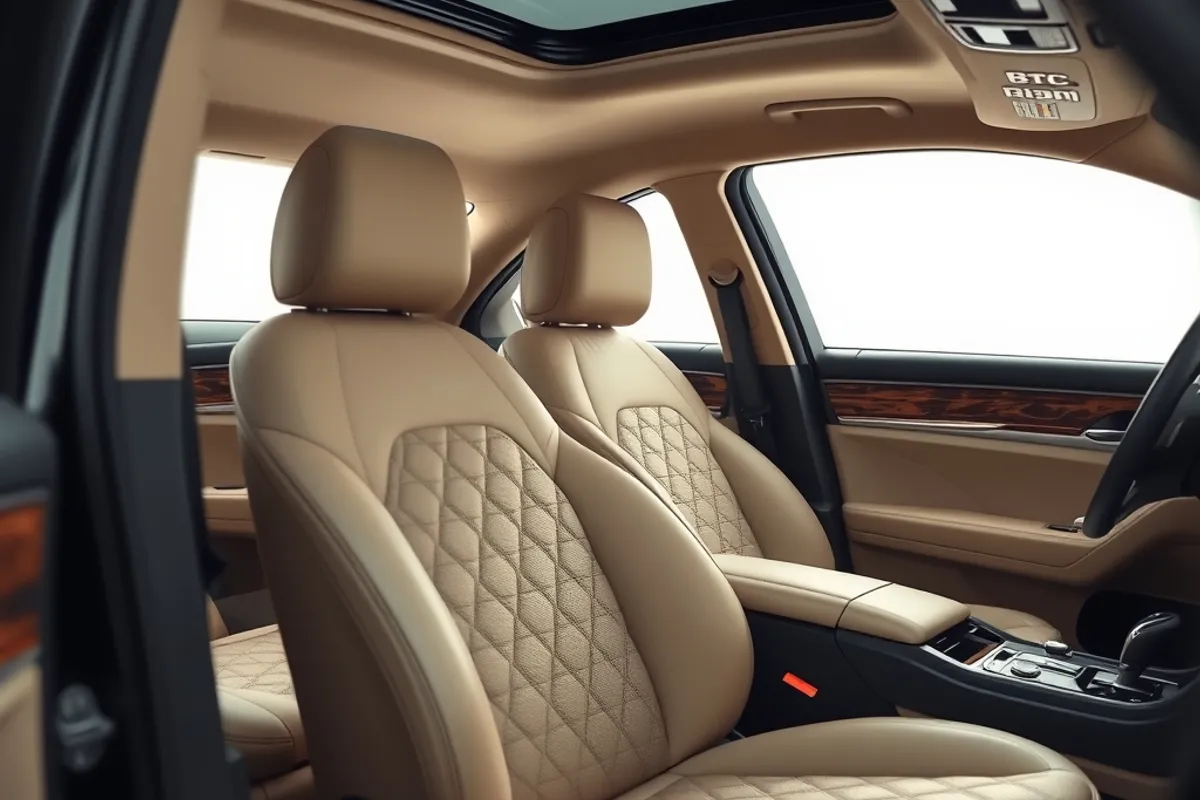
Luxury cars are sold on a promise: that the extra money buys a calmer, better-made, more effortless experience. Sometimes it does. Sometimes it buys a large screen, a louder badge and a service bill that arrives like a tax. In 2026, with premium brands pushing into every price segment, the gap between genuine luxury and expensive mainstream has never been harder to read from the showroom floor.
Key facts
- Real luxury shows in materials, noise control, seat comfort and long-distance calm.
- Badge premium is not the same as engineering depth or durability.
- Options can add most of the value, or most of the depreciation.
- Service and repair costs scale with complexity, not just purchase price.
- The best test is a long drive, not a five-minute sit in a showroom.
Where the money actually goes
The visible parts of a luxury car are easy to photograph: soft leather, ambient lighting, a wide screen. The expensive parts are often invisible. Extra sound insulation, laminated glass, hydraulic or air suspension, adaptive dampers, multi-layer paint and seats with more adjustment motors all cost real money to engineer and build. A quiet cabin at motorway speed is not a styling choice; it is the result of hundreds of decisions about seals, mounts and materials.
That is why a cheaper car can feel nearly as plush in a showroom and far worse after two hours on a rough road. The luxury advantage appears in the details you notice over time: how the doors close, how the seats support your back, how the suspension deals with a pothole, how little you have to raise your voice to talk. Those qualities are expensive to fake and difficult to measure in a spec sheet.
Craftsmanship versus technology
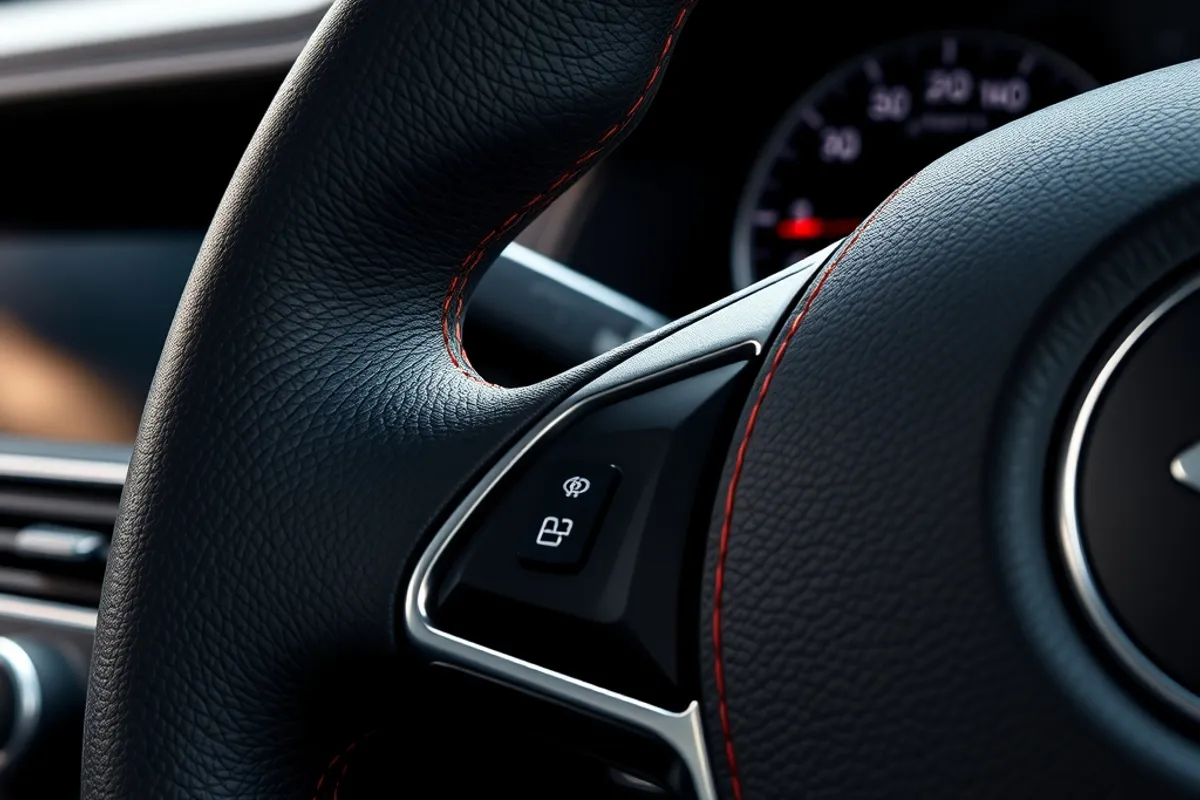
Technology can enhance luxury, but it cannot replace it. A crisp display with fast response is welcome; a laggy interface in a car costing six figures is not. Massaging seats are pleasant; a seat that becomes uncomfortable after an hour is not redeemed by a gimmick. The most convincing premium interiors in 2026 combine modern software with honest materials and physical controls that feel weighted and precise.
Watch for the difference between craftsmanship and decoration. Real wood, metal and leather age in a predictable way. Fake wood, glossy plastic and synthetic leather may look good on day one and tired by year three. Stitching should be even, panels should align, and switches should feel the same across the car. These details reveal whether the manufacturer treated the cabin as a product or as a photograph.
Comfort over a long distance
The single most valuable luxury feature is a seat you can sit in for four hours without pain. Look for adjustable lumbar support, thigh extension, a wide range of seat height and a steering wheel that moves far enough toward the driver. Climate control should be quiet and consistent, and the ride should absorb bumps without floating. A firm, controlled suspension often feels more luxurious on a long trip than a soft one that bounces after every dip.
Luxury is not what the car shows you in the first five minutes. It is what it stops asking of you after five hours.
The cost of ownership nobody quotes
A luxury car's purchase price is only the entry fee. Tyres, brakes, fluids and scheduled service often cost significantly more than on a mainstream car, and complex systems can fail in expensive ways. Air suspension, adaptive dampers, large alloy wheels and low-profile tyres are common culprits. Insurance and depreciation also tend to be higher. Before you buy, ask for a written service estimate for the next three years and check the price of a set of tyres. A car that is affordable to buy but painful to maintain is not a luxury purchase; it is a trap.
Depreciation is the largest cost for many new luxury cars. Options often depreciate faster than the base car, so a heavily specified used example can be a bargain if the features you want are already fitted. Conversely, a base model with a desirable engine and a good service history may hold value better than a loaded version of a lesser model.
How to test one properly
Drive the car on the roads you use every day, not just a smooth dealer route. Take it on a rough surface, a motorway and a tight car park. Sit in the back if you carry passengers. Pair your phone, use the navigation and adjust the climate without reading the manual. Listen for wind and tyre noise at speed. Check the boot for real luggage and the door openings for child seats. Then compare the total cost, including insurance, tyres and servicing, against a well-equipped mainstream alternative.
If the car still feels special after that, the premium may be justified. If it only feels special when parked, you are buying a badge. For more ownership costs, read our luxury car maintenance guide, or browse all luxury car articles.
Frequently asked questions
What is the most important luxury feature?
A comfortable, supportive seat and a quiet cabin. Those two affect every journey more than a large screen or a decorative light strip. Test them on a long drive, not a five-minute showroom sit.
Are used luxury cars a good deal?
They can be, because depreciation lowers the purchase price while the engineering and materials remain. The risk is maintenance, so budget for servicing, tyres and repairs and insist on a full service history and inspection.
Is a badge enough to make a car luxurious?
No. Badge premium can coexist with cheap materials and a harsh ride. Judge the car on noise, comfort, craftsmanship and long-term costs rather than the logo on the grille.
Further reading from independent sources: NHTSA safety ratings and FuelEconomy.gov.